Best itineraries in
Tierra del Fuego
Any of these options can be modified according to your preferences, or design your own trip with us
😎 BEST TIME TO GO?
Experience the end of the world with curated trips across Tierra del Fuego’s forests, wildlife, and wide-open southern landscapes.
Any of these options can be modified according to your preferences, or design your own trip with us
😎 BEST TIME TO GO?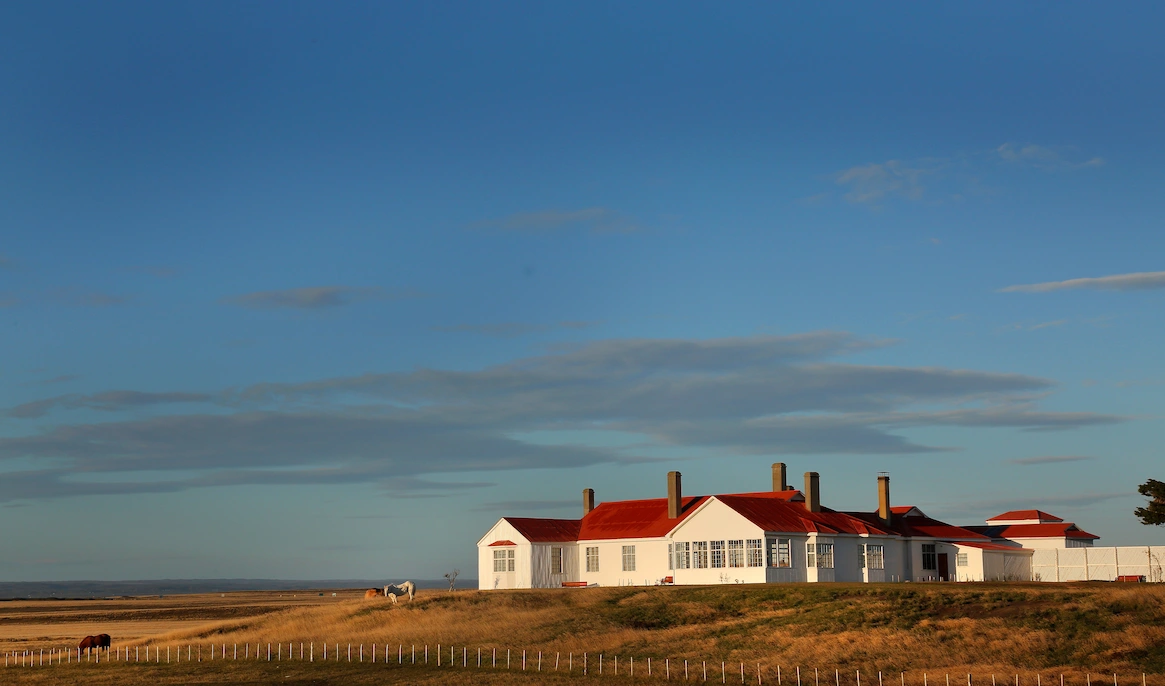
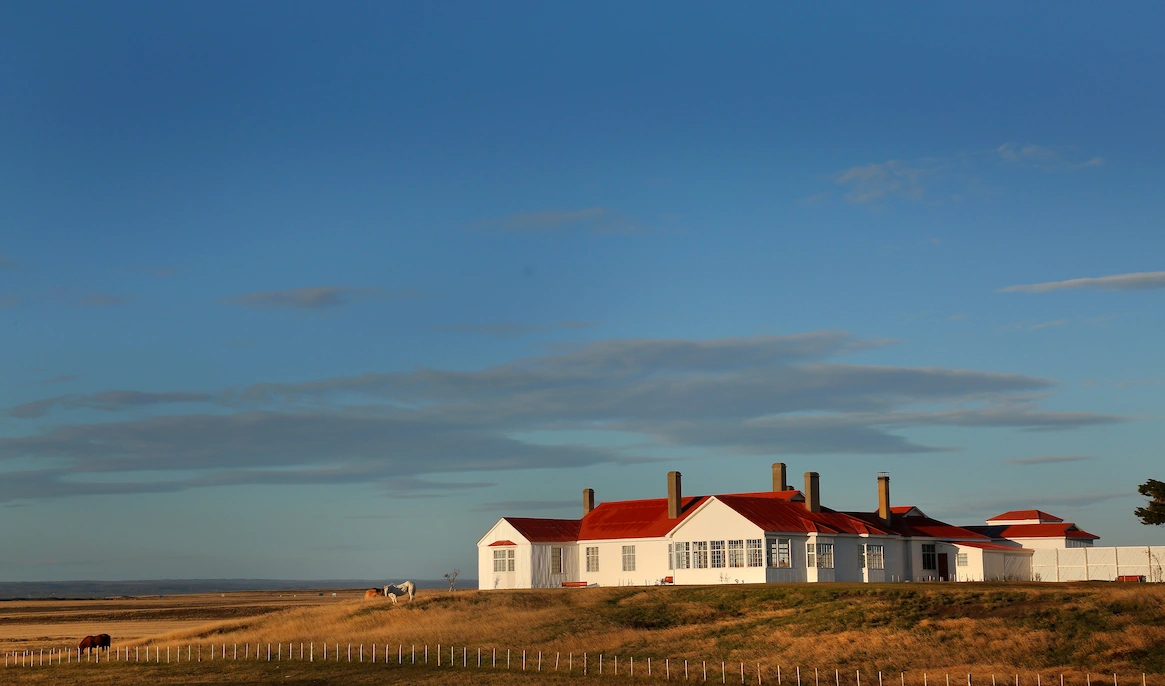
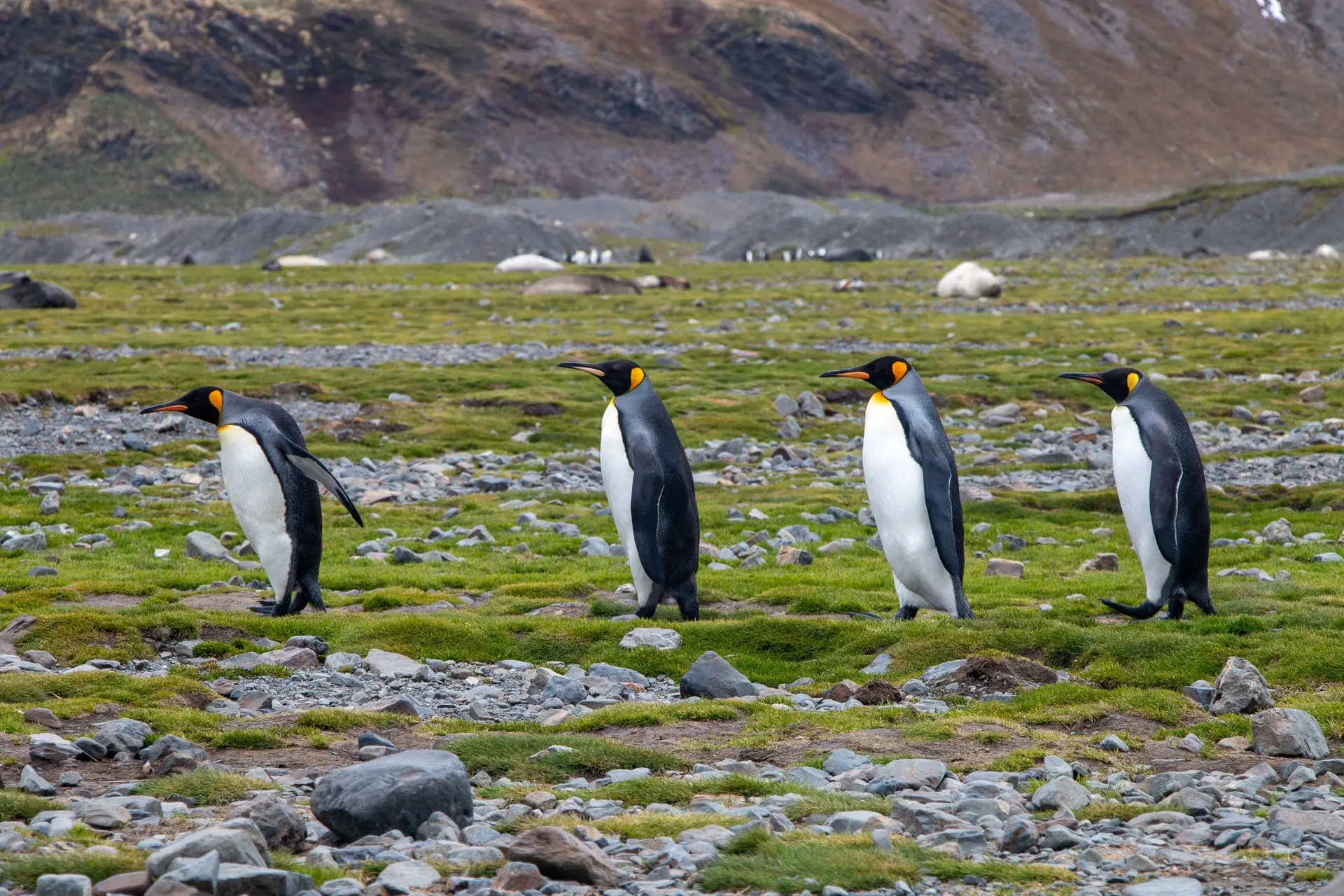
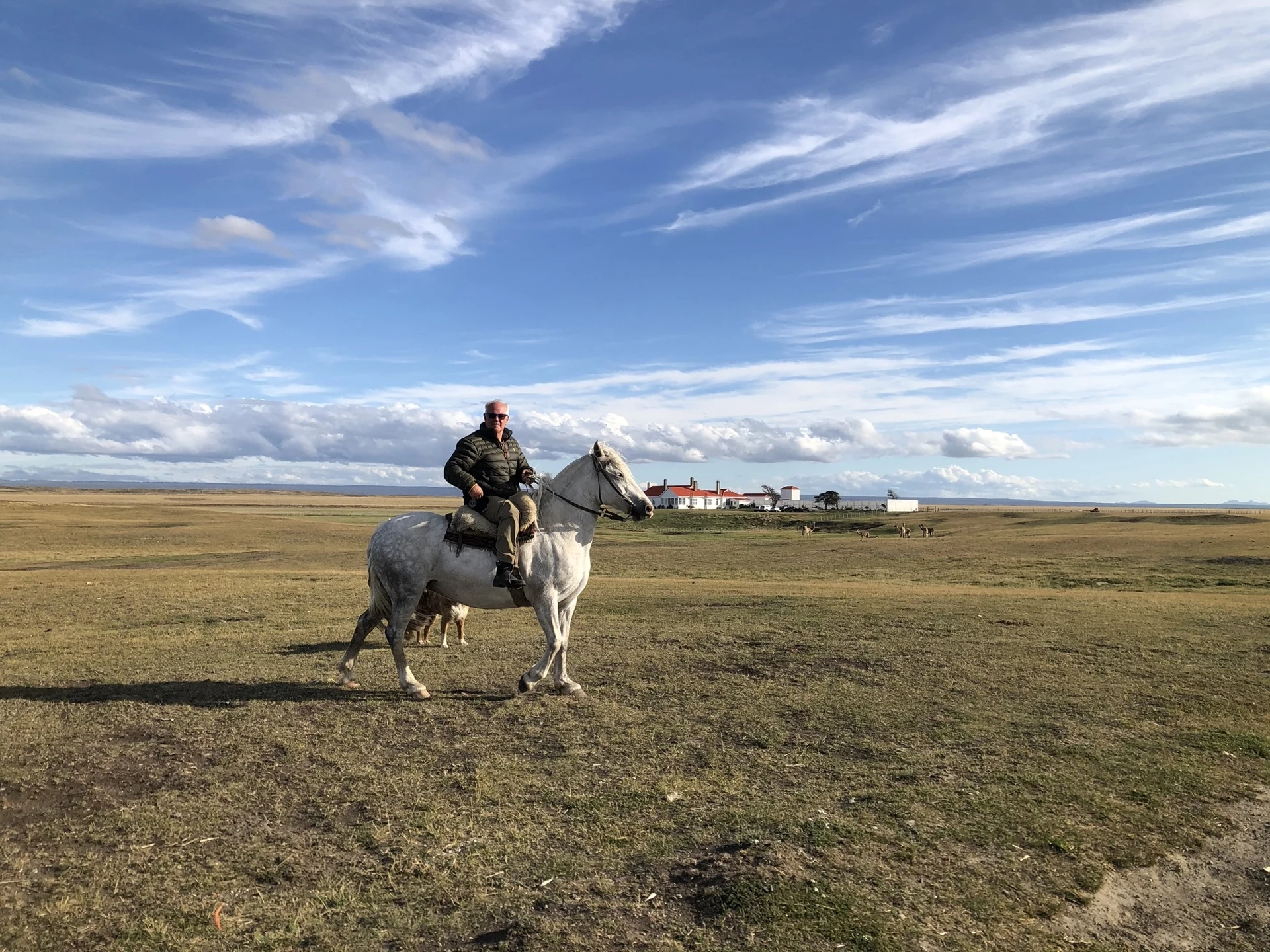
An iconic Patagonian estancia at the edge of the world. Step into Tierra del Fuego, a land shaped by wind, silence, and legend. Once among the largest estancias in the world, this iconic ranch invites you to stay in its timeless main house and explore one of the southernmost places on Earth. Sheep still roam its vast steppe, stories echo through its halls, and the journey leads you to the extraordinary—like the rare sight of emperor penguins in their natural habitat. It’s the end of the road, but the beginning of something unforgettable.
see more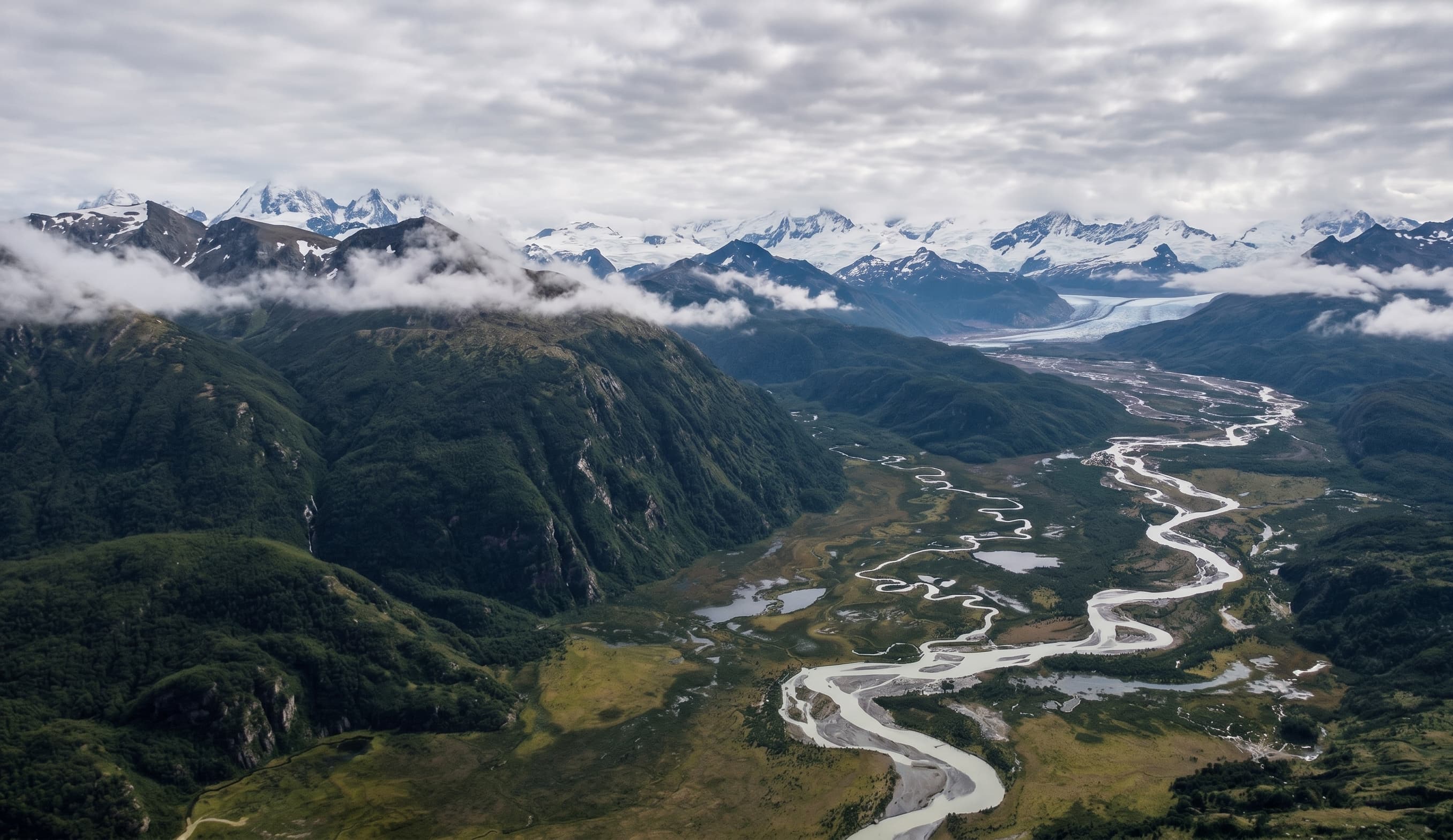
.jpg)
.jpg)
.jpg)
.jpg)
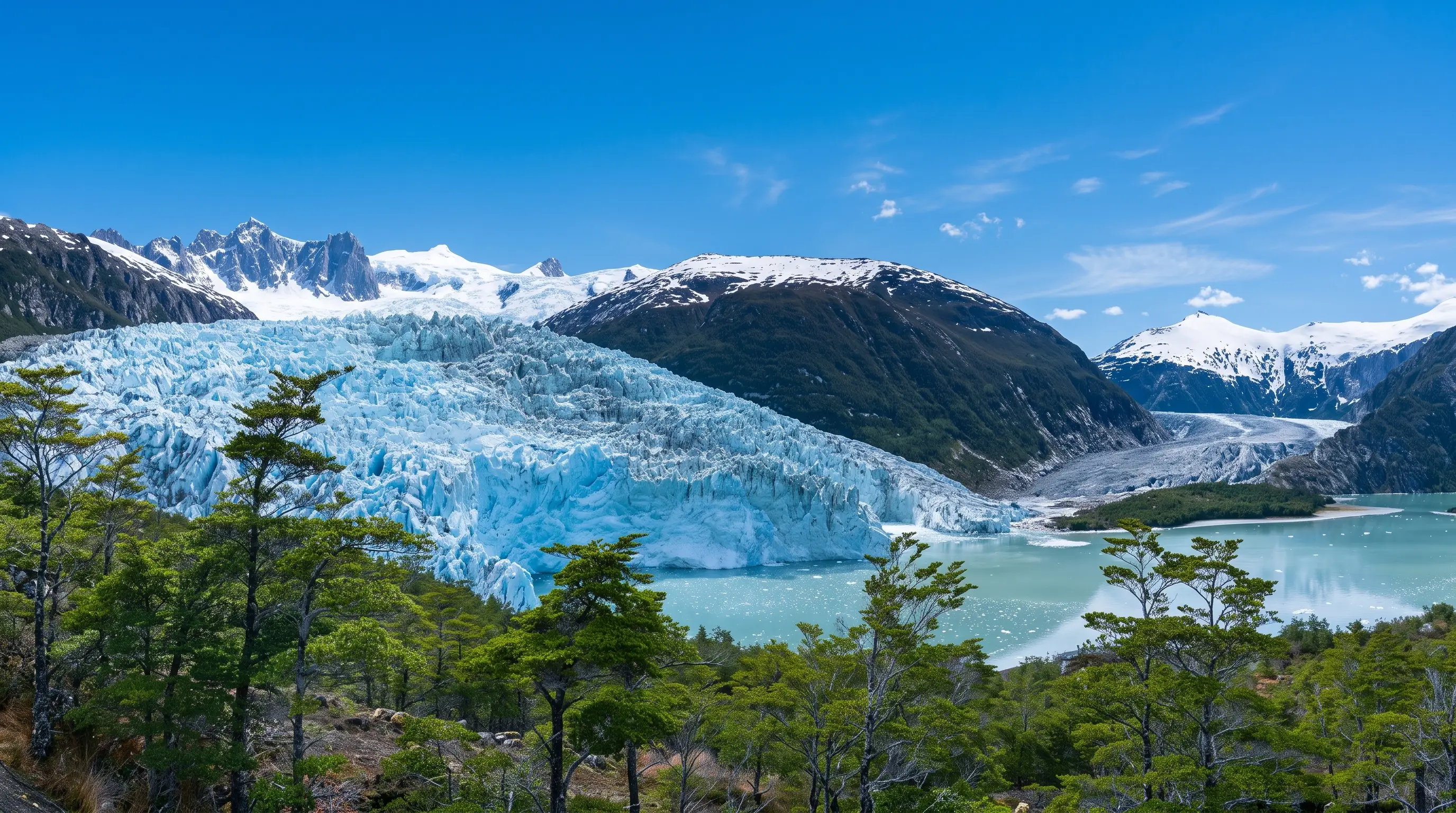
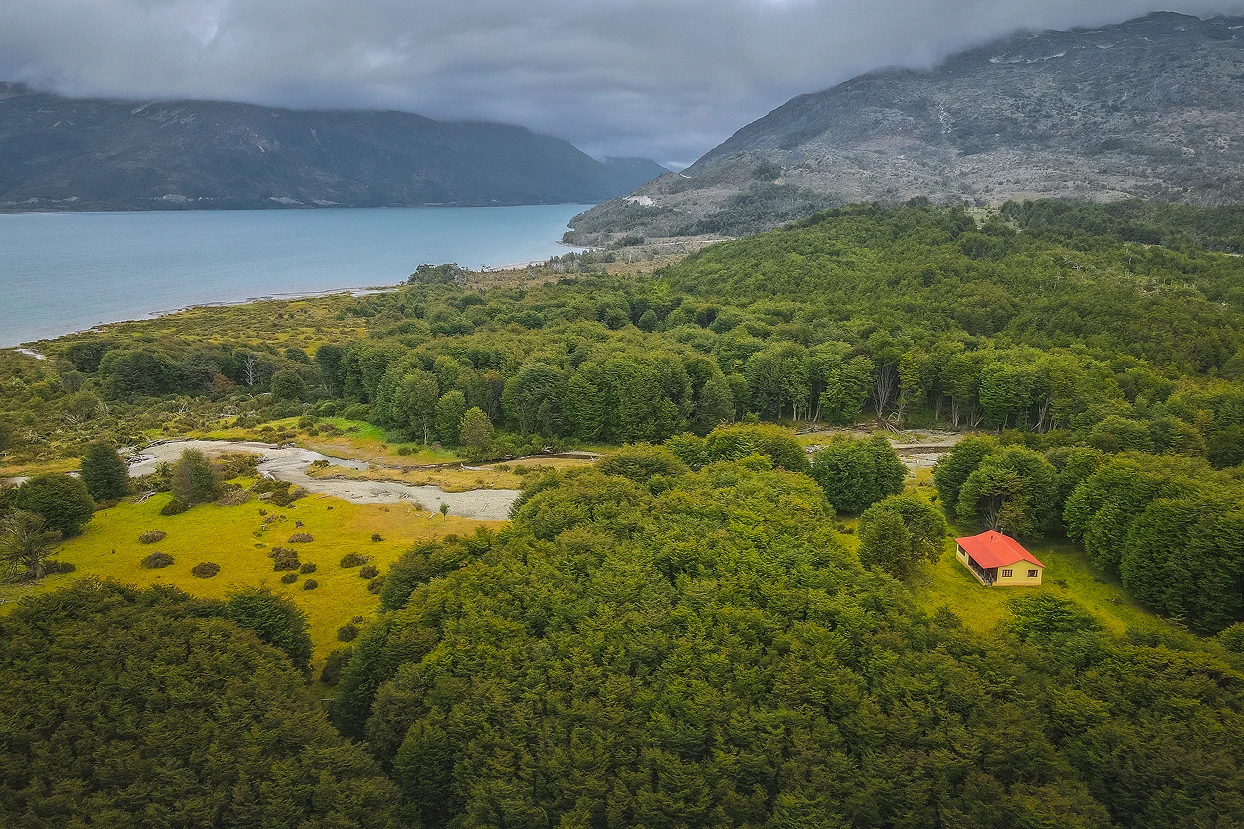
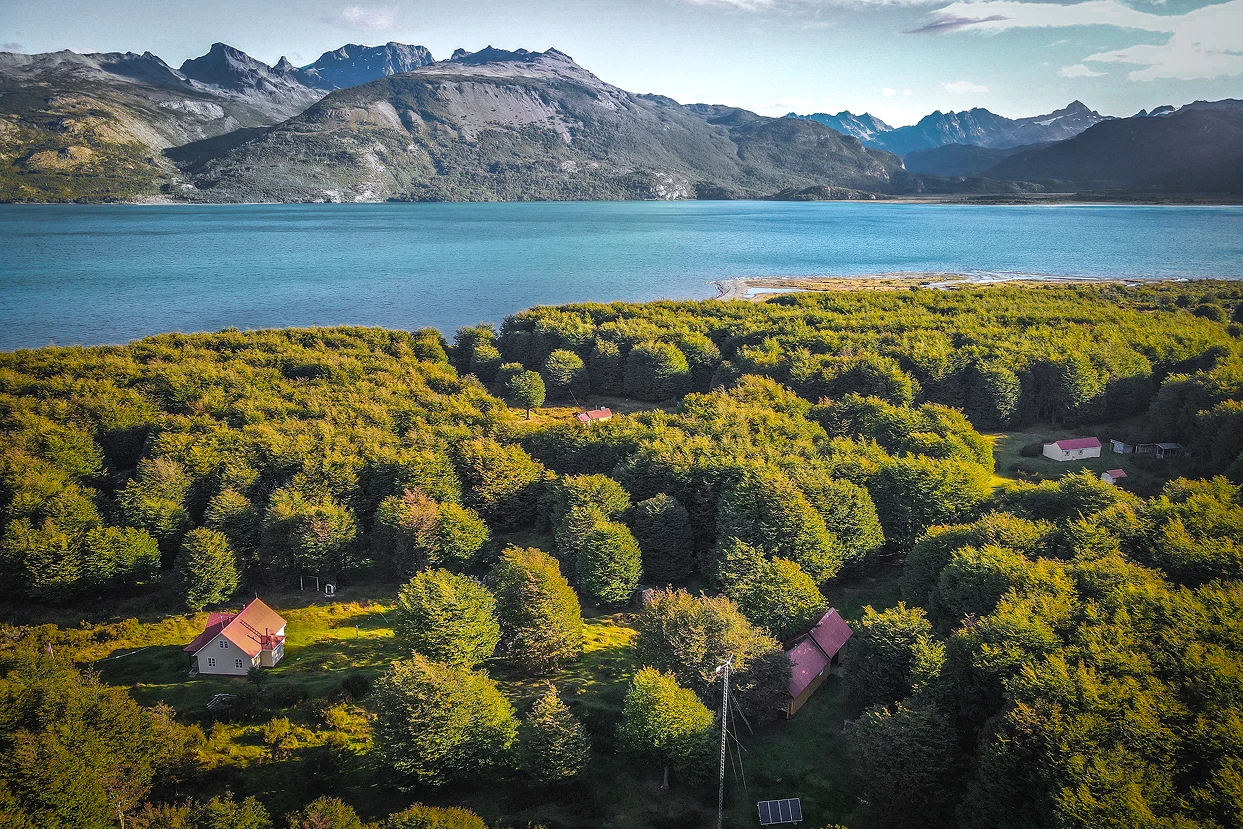
Tierra del Fuego is the southernmost frontier of Patagonia — a vast, windswept archipelago where raw wilderness and deep silence define the landscape. Often described as the place where the continent dissolves into the sea, it offers an atmosphere unlike anywhere else in the region: remote, untamed, and profoundly moving. From jagged mountains to endless steppes and icy channels, it embodies the true spirit of the far south.
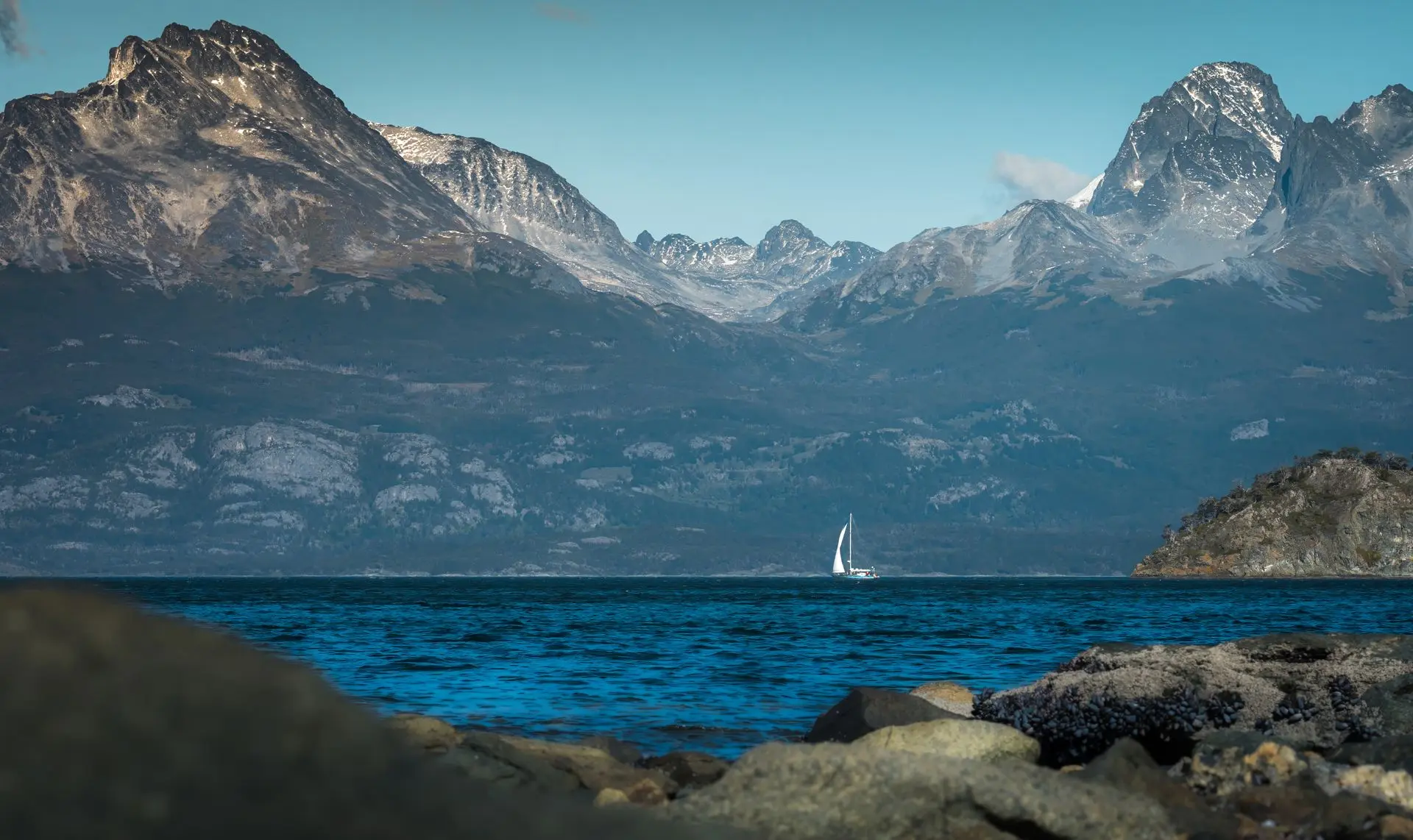
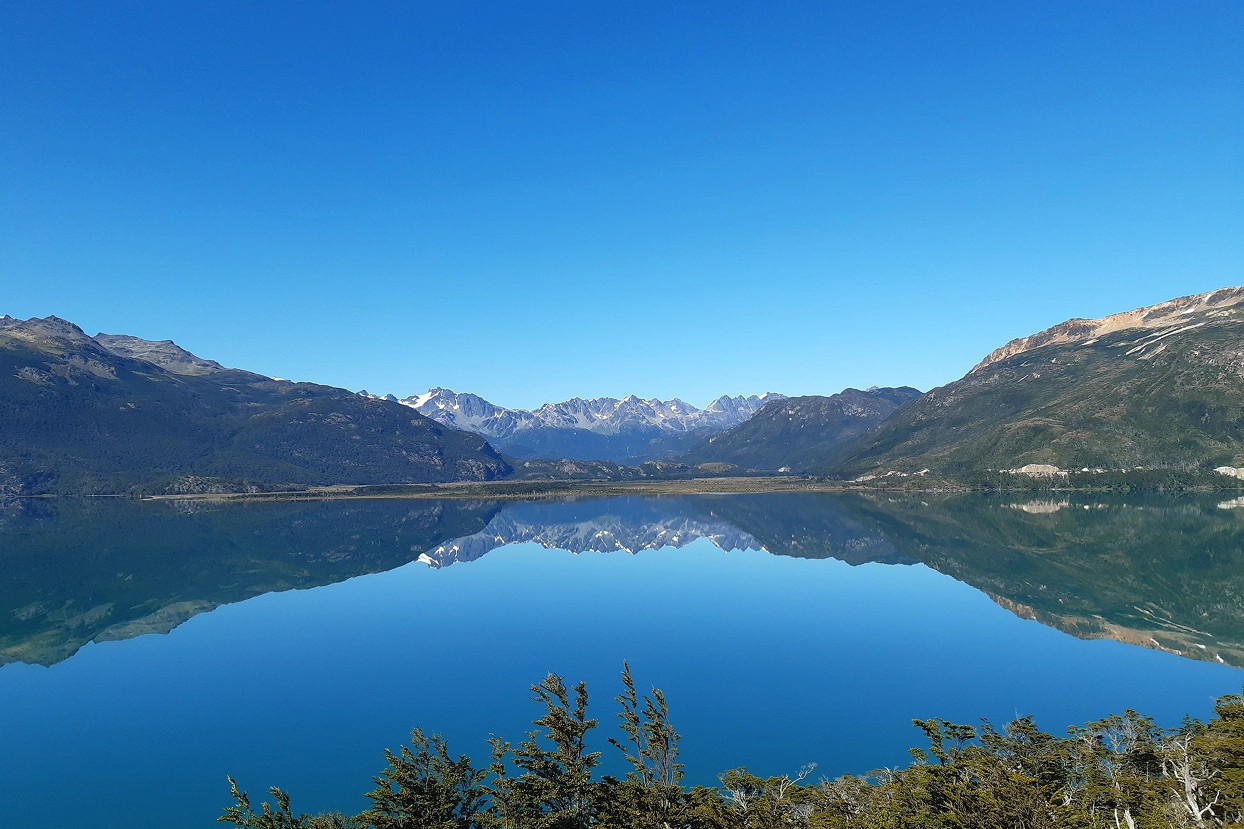
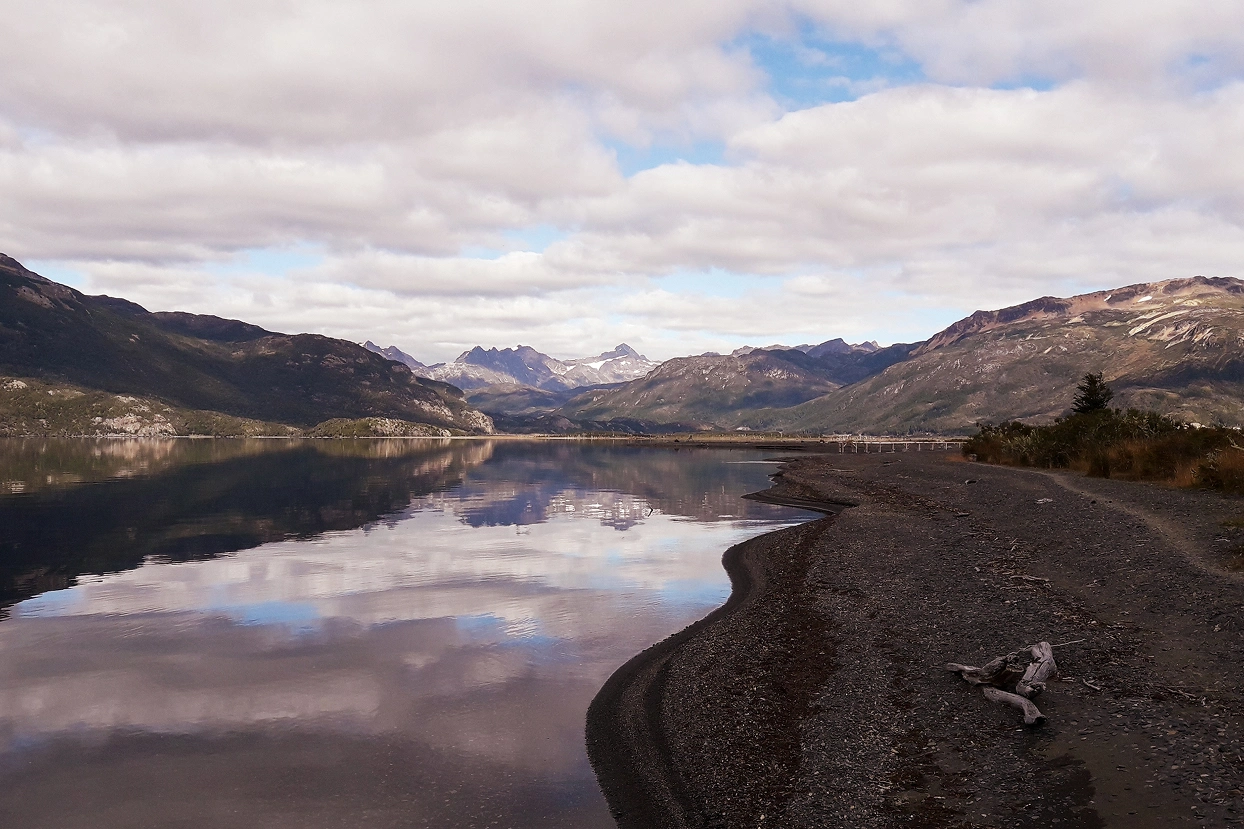
At the heart of this territory rises the Dientes de Navarino, one of the world’s southernmost mountain ranges and a dramatic labyrinth of sharp peaks, secluded valleys, lagoons, and ancient forests. For many, trekking here feels like stepping into another planet — rugged, pristine, and beautifully isolated. Nearby, the immense Lago Fagnano stretches across Chile and Argentina, framed by deep green forests and glacial geology that reveals millions of years of Earth’s history.
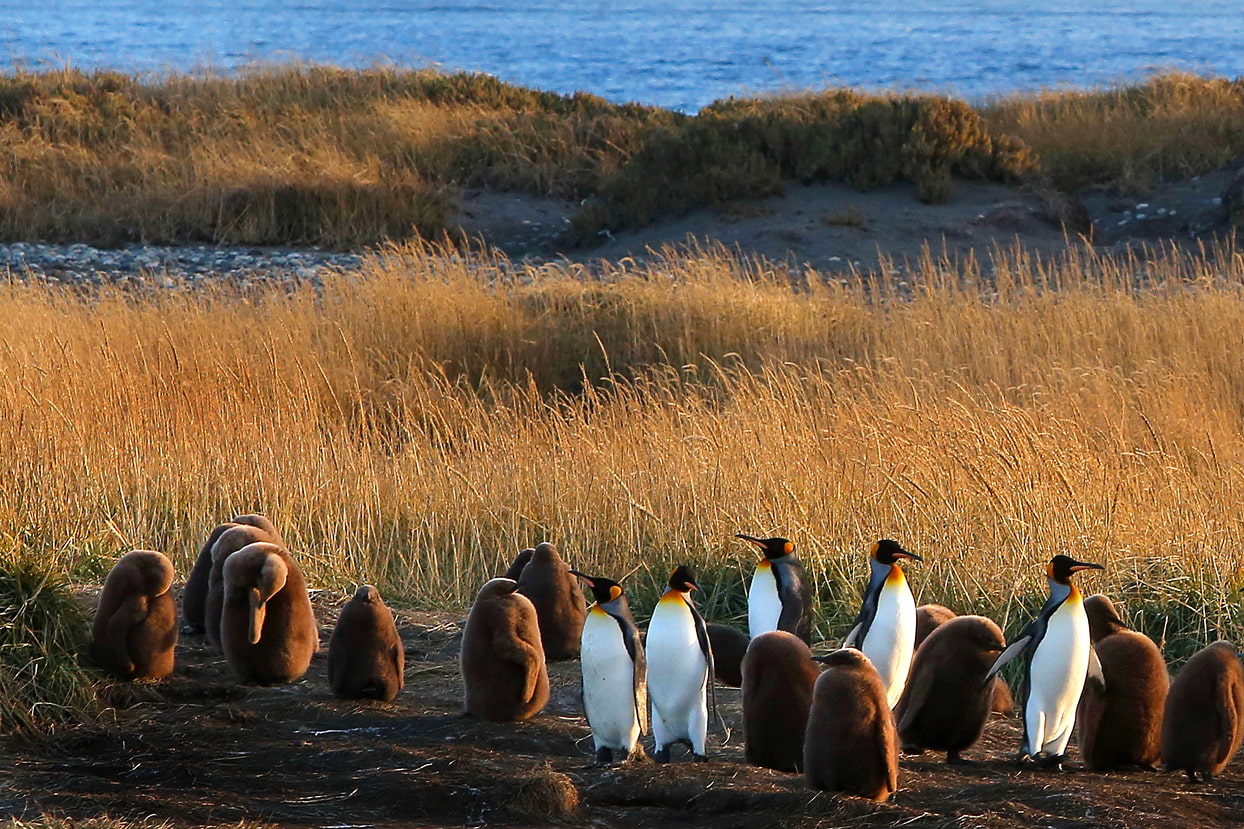
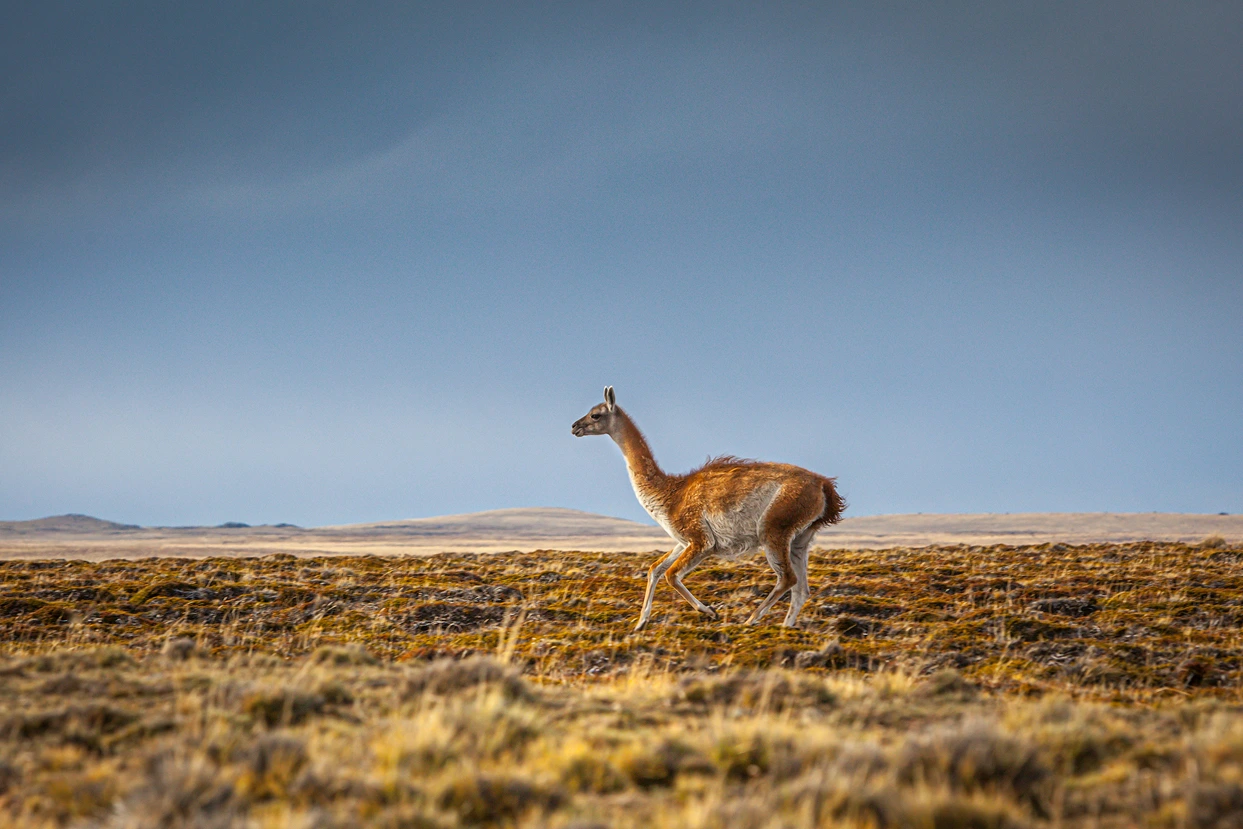
Tierra del Fuego is also one of the most extraordinary places on Earth for wildlife encounters. It is home to the Emperor Penguin colony, the only one of its kind accessible outside Antarctica, offering a rare and unforgettable glimpse into the life of this iconic species. Across the steppe, you’ll encounter guanacos, foxes, condors, and a feeling of solitude that is almost sacred.
Cultural heritage is woven into this land. Its traditional Patagonian estancias reflect the region’s ranching history and offer a window into the lives of the pioneers who shaped this remote territory. Many estancias sit near pristine rivers and channels, where fly fishing is world-class — an experience framed by absolute quietness and untouched beauty.
Whether hiking through the Dientes de Navarino, visiting the Emperor Penguin reserve, navigating the Beagle Channel, or staying at historic estancias surrounded by wildlife and open skies, Tierra del Fuego provides a deep, incomparable connection to Patagonia’s most remote soul.
It’s a place that feels truly at the edge of the world — adventurous, majestic, and unforgettable.
Absolutely. Tierra del Fuego is especially well-suited for private, tailor-made journeys, featuring exclusive accommodations, personalized logistics, and discreet luxury focused on comfort, privacy, and authenticity.
Most travelers spend 3 to 5 days in Tierra del Fuego, depending on the depth of exploration and whether it’s combined with other destinations in Patagonia.
Accommodation options include remote estancias, private houses, and small-scale lodges, all designed to blend into the natural environment while offering comfort, privacy, and a strong sense of place.
Yes. Tierra del Fuego pairs perfectly with other Patagonia destinations such as Punta Arenas, Torres del Paine, Puerto Natales, or extended routes through southern Chile. It is often included as a unique and lesser-known highlight of a longer journey.
Visitors can enjoy scenic explorations, coastal walks, wildlife observation, photography, cultural encounters, navigation routes, and immersive stays in remote lodges or private houses, all focused on experiencing the landscape rather than rushing through it.
No. Tierra del Fuego is a low-traffic, off-the-beaten-path destination, ideal for travelers seeking solitude, silence, and authentic contact with nature—far from mass tourism.
Wildlife commonly seen includes guanacos, foxes, condors, flamingos, seabirds, penguins, whales, and migratory birds. Along the coast, travelers may encounter sea lions and marine life associated with the Strait of Magellan.
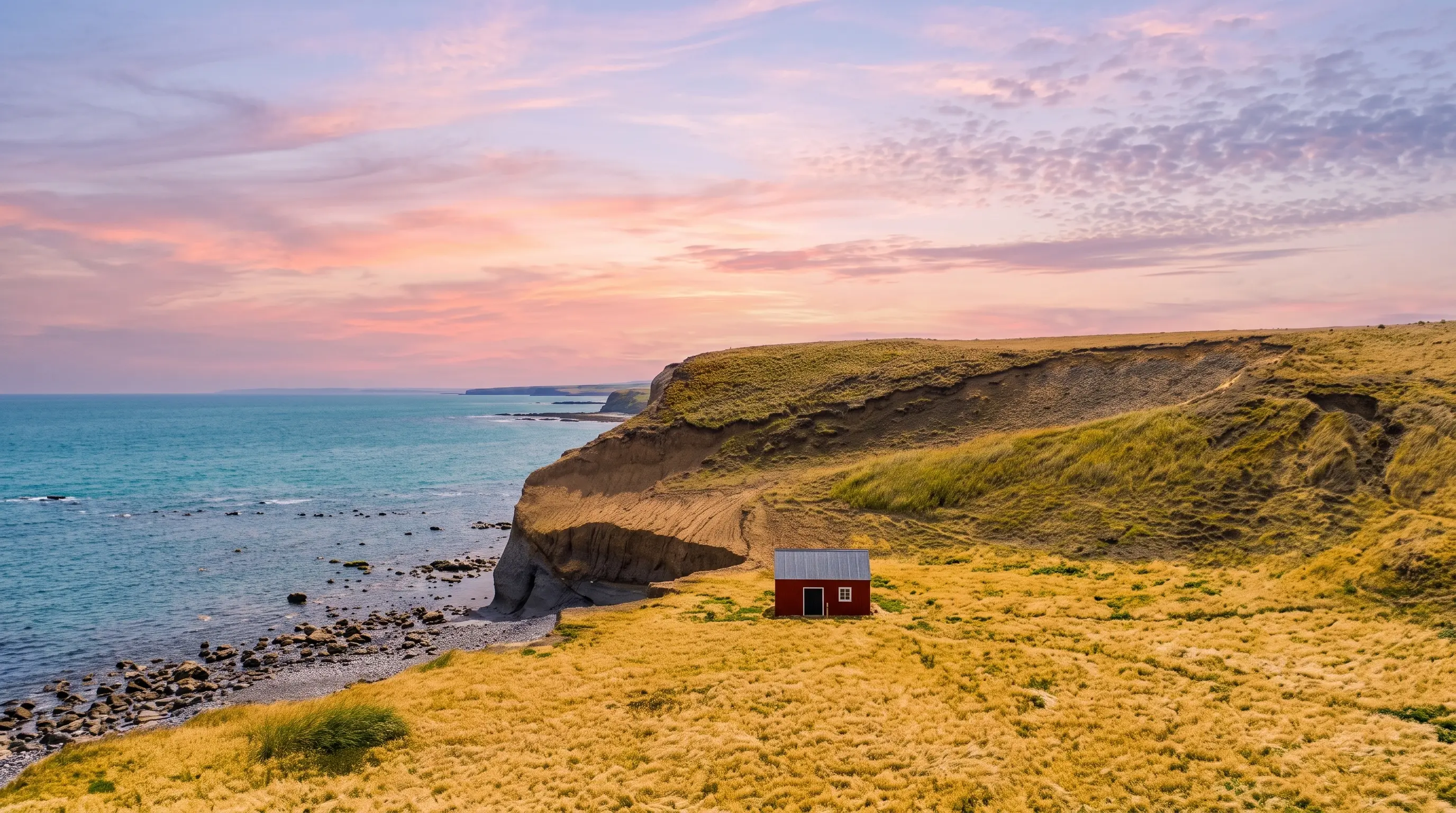
Tierra del Fuego features vast Patagonian steppe, subantarctic forests, wild coastlines, peat bogs, fjords, and open horizons. The scenery feels raw, untouched, and dramatically different from more visited parts of Patagonia.
The best time to visit Tierra del Fuego is from November to March, during the austral spring and summer. These months offer longer daylight hours, milder temperatures, and optimal conditions for outdoor exploration and wildlife observation.
Most travelers fly into Punta Arenas, then continue by vehicle and ferry across the Strait of Magellan to reach Tierra del Fuego. Remote areas and private lodges are accessed through carefully planned overland routes and ferry crossings, often as part of a curated itinerary.
Tierra del Fuego is located at the southernmost tip of South America, in Chile’s Magallanes and Chilean Antarctica Region. It is a remote Patagonian archipelago separated from the mainland by the Strait of Magellan and known for its wild landscapes and “end-of-the-world” atmosphere.


.svg)