Atacama Desert

An otherworldly landscape of salt flats, geysers, flamingo lagoons, and the world's clearest night skies.

Best itineraries in

Atacama Desert

Any of these options can be modified according to your preferences, or design your own trip with us

8 days / 7 nights

Atacama Complete

Every Atacama landscape from geysers to salt flats, sunrise to starlight, with time for true desert stillness.

See More
4 days / 3 nights

Desert Essentials

Geysers at sunrise, Valle de la Luna at sunset, flamingo lagoons and stargazing — the iconic Atacama in four days.

See More
😎 BEST TIME TO GO?

Our Stays in

location_on
Atacama Desert
Private lodge at the foot of Cerro Castillo, next to Cerro Castillo National Park on the Carretera Austral, Patagonia Chile.

Atacama Desértica

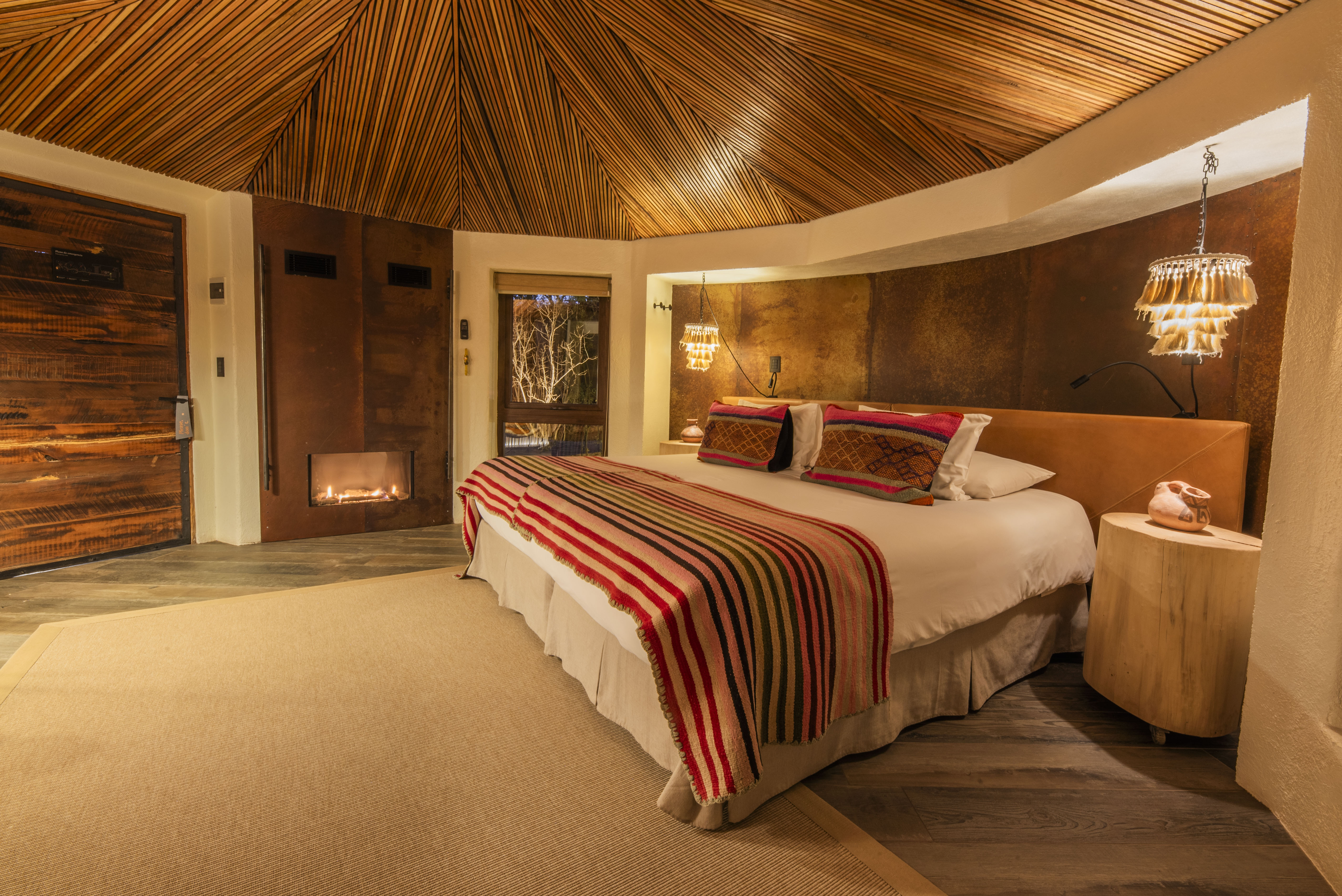
An intimate desert lodge in the heart of the Atacama. Wake up to volcanoes glowing in the first light, just beyond your suite. Spend the day exploring salt flats, geysers and high-altitude lagoons with guides who know the soul of the desert. Return to an aperitif by the pool as the sun drops behind Valle de la Luna. Dine under the sharpest stars you have ever seen, with a resident astronomer to bring the cosmos to life. Ten suites, total silence, and a sky that changes everything.

see more

Photo Gallery

No items found.

What Makes the Atacama Desert One of the Most Extraordinary Destinations on Earth?

The Atacama Desert is a place of extremes: the driest non-polar desert on the planet, yet alive with color, texture and geological drama. Stretching across northern Chile between the Andes and the Pacific, its landscapes are so otherworldly that NASA has used them to test Mars rovers. For travelers, it offers a rare combination of raw natural beauty, ancient culture and absolute silence that is unlike anything else in South America.

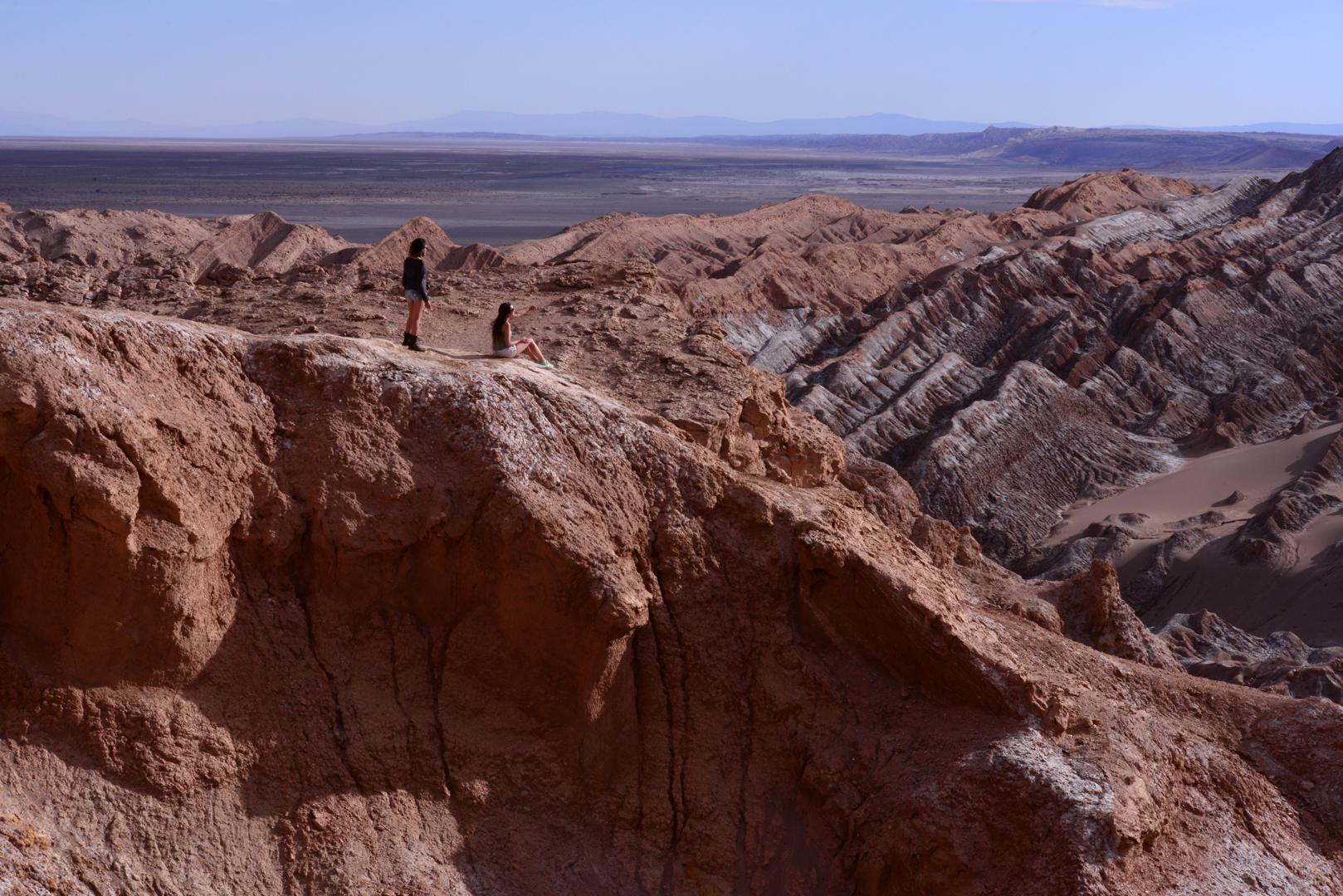
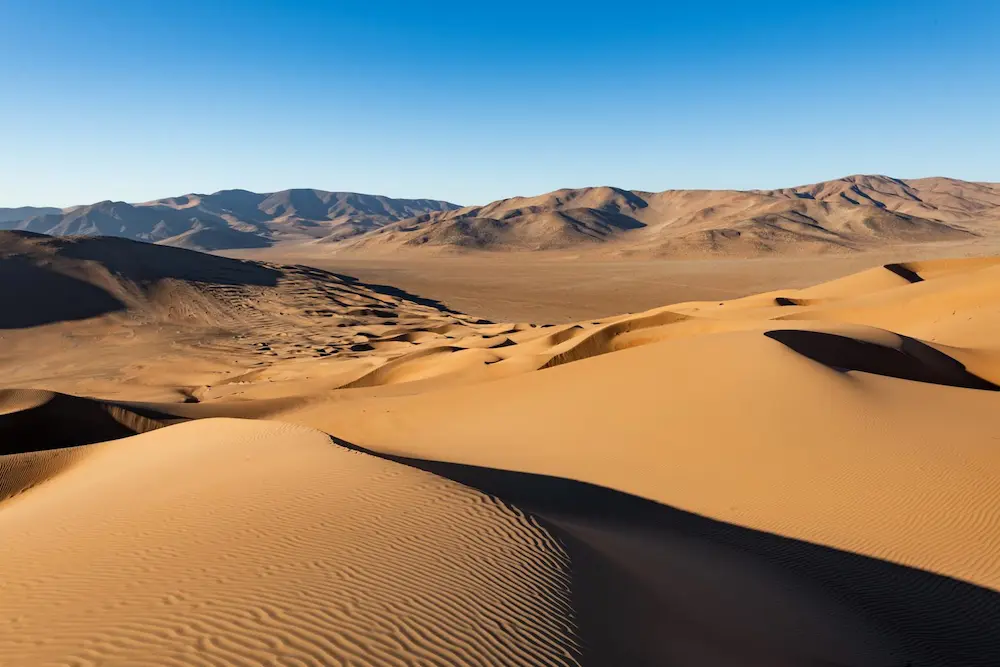
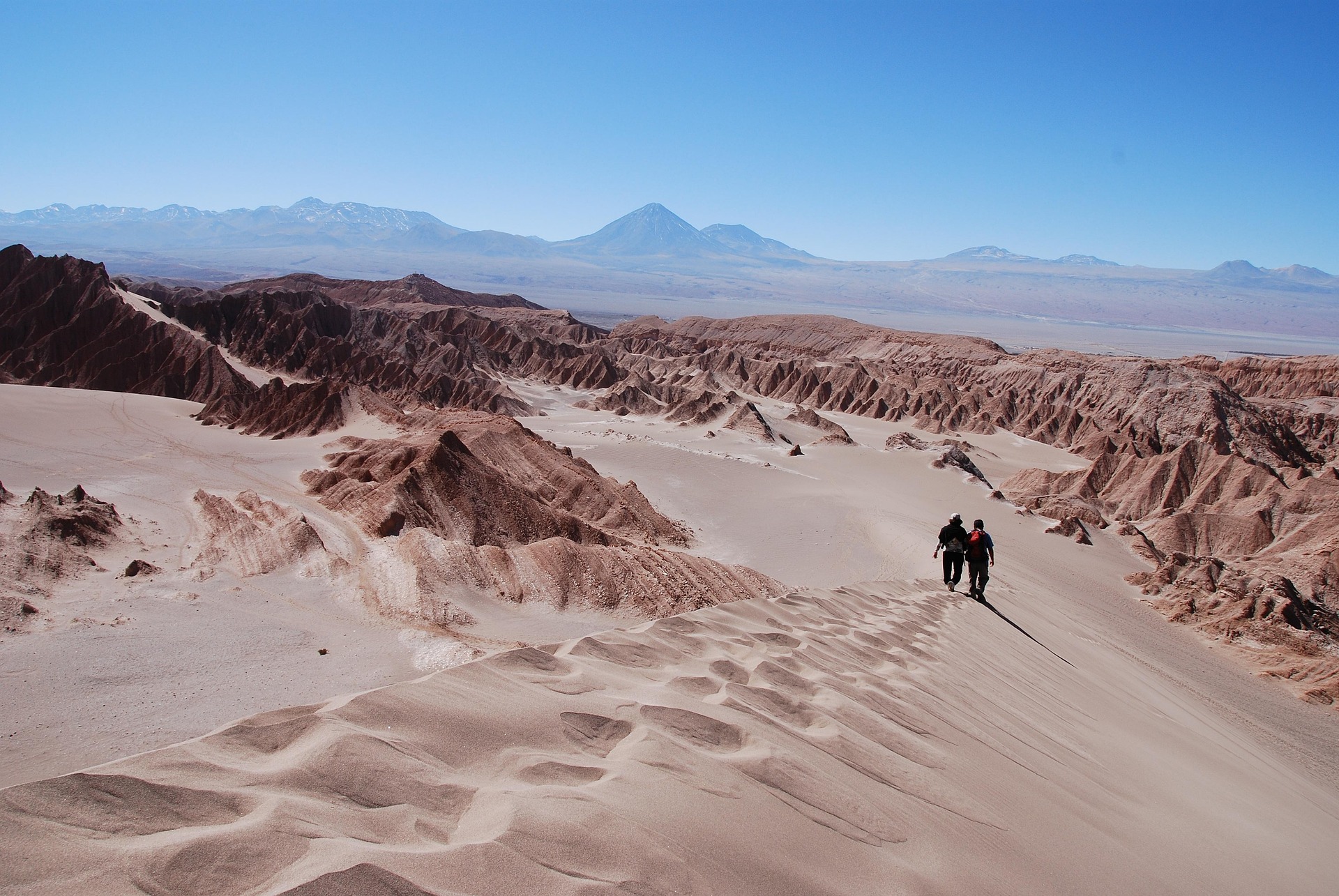
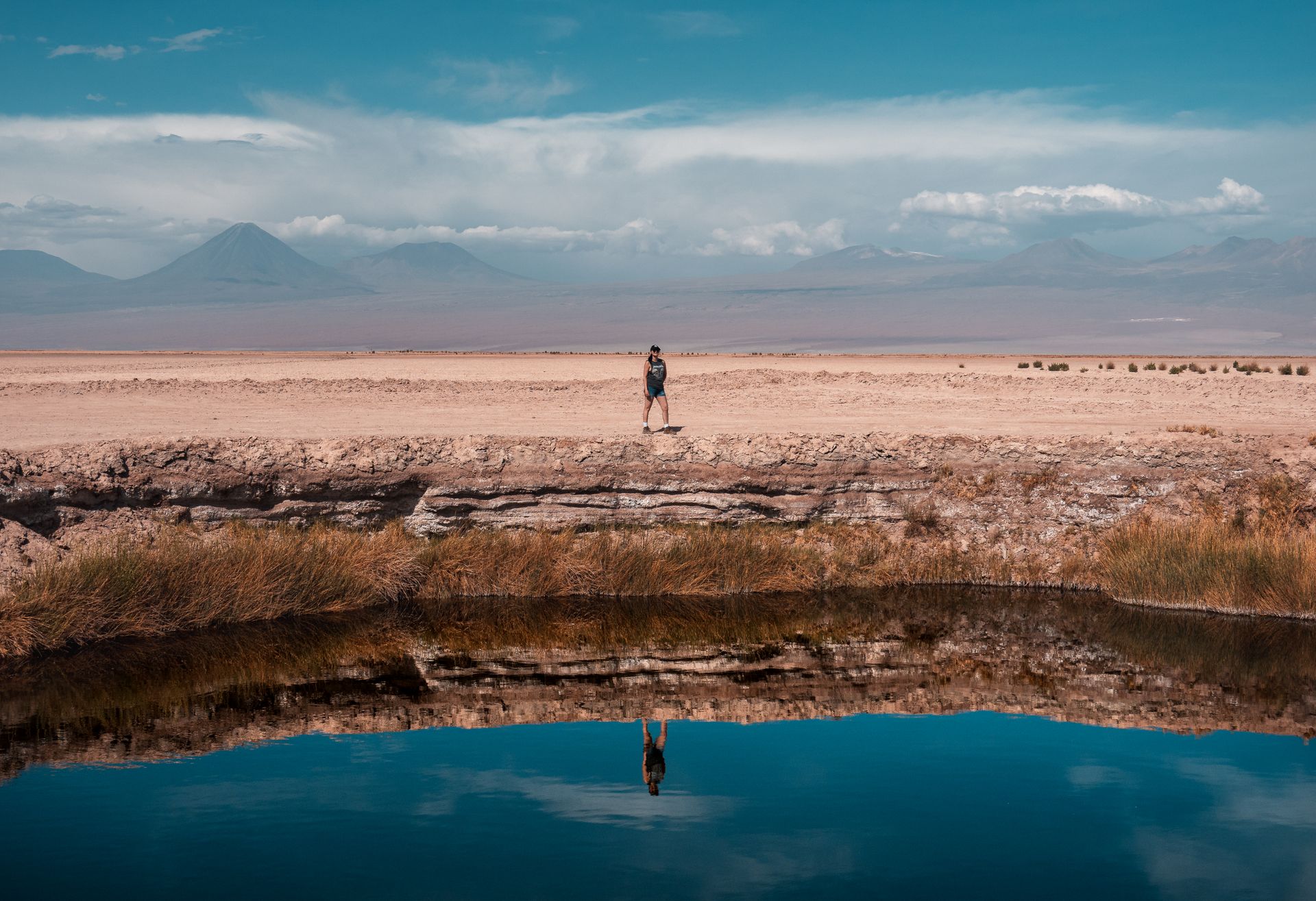
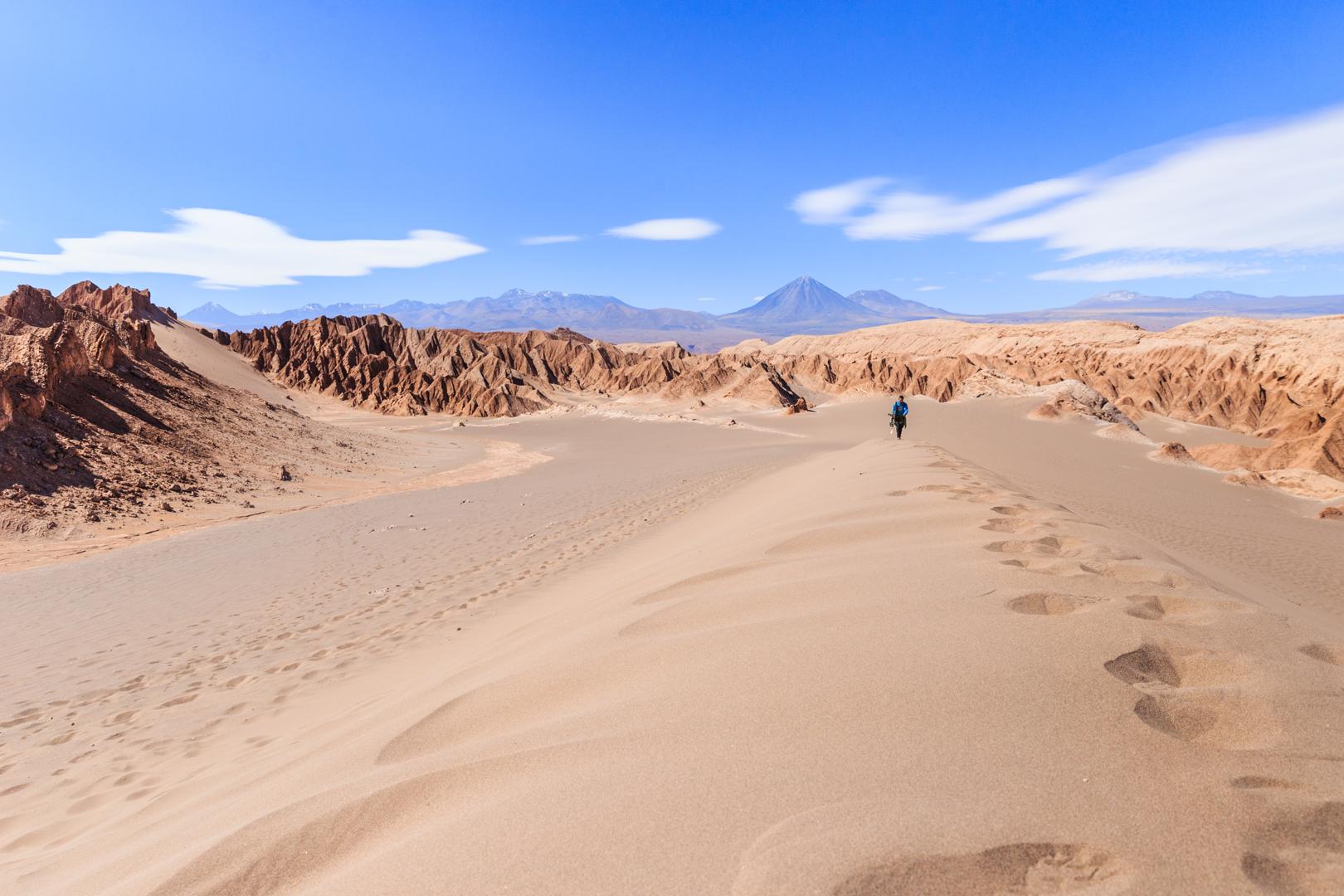
At the heart of the region sits San Pedro de Atacama, a small adobe village that serves as the gateway to some of Chile's most iconic natural wonders. From here, the desert unfolds in every direction: to the south, the immense Salar de Atacama shimmers with crystalline salt formations and hosts colonies of Andean flamingos feeding in shallow lagoons. To the west, the Valle de la Luna presents a landscape of eroded ridges, sand dunes and mineral deposits that glow gold and crimson at sunset.

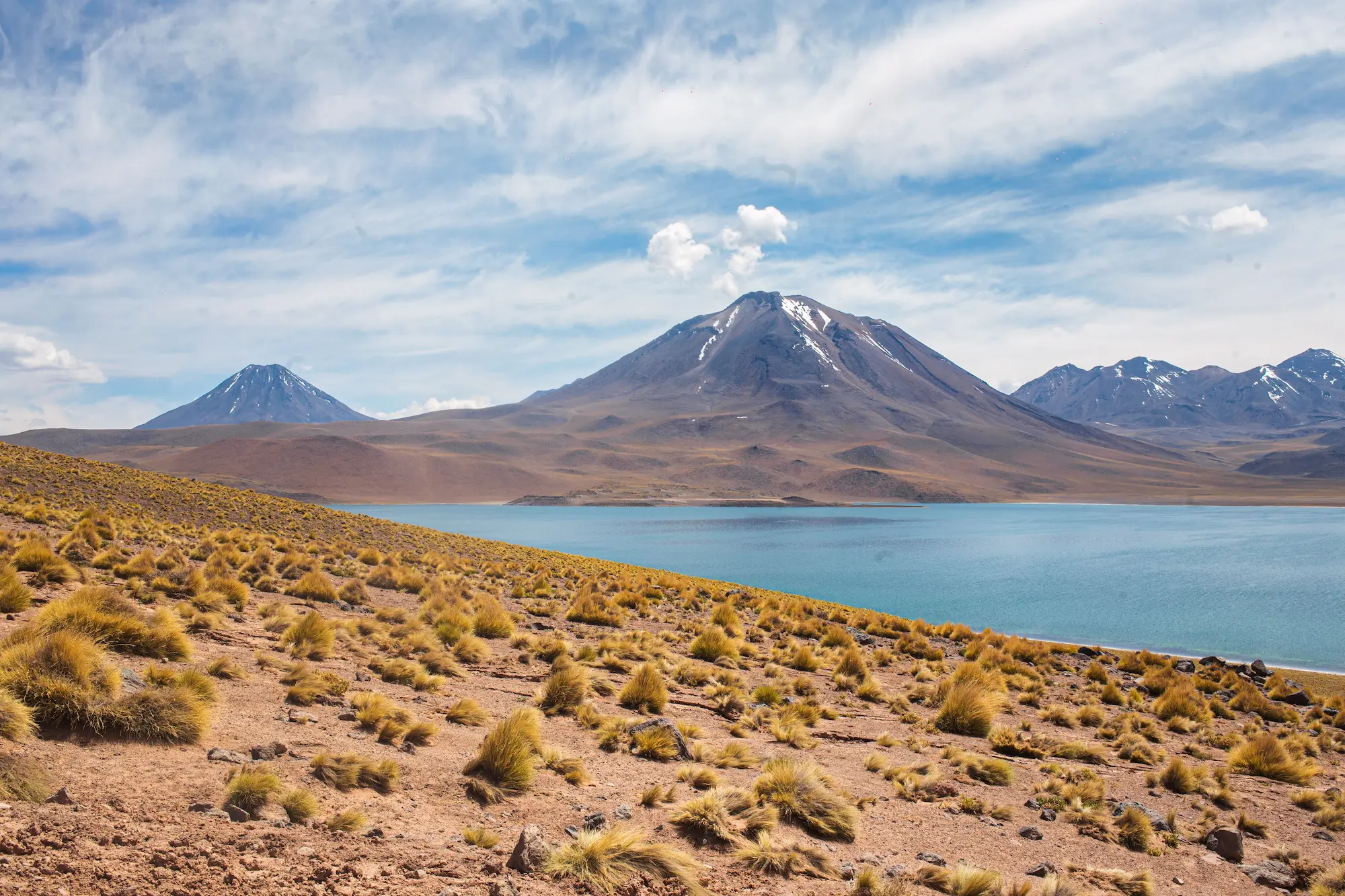
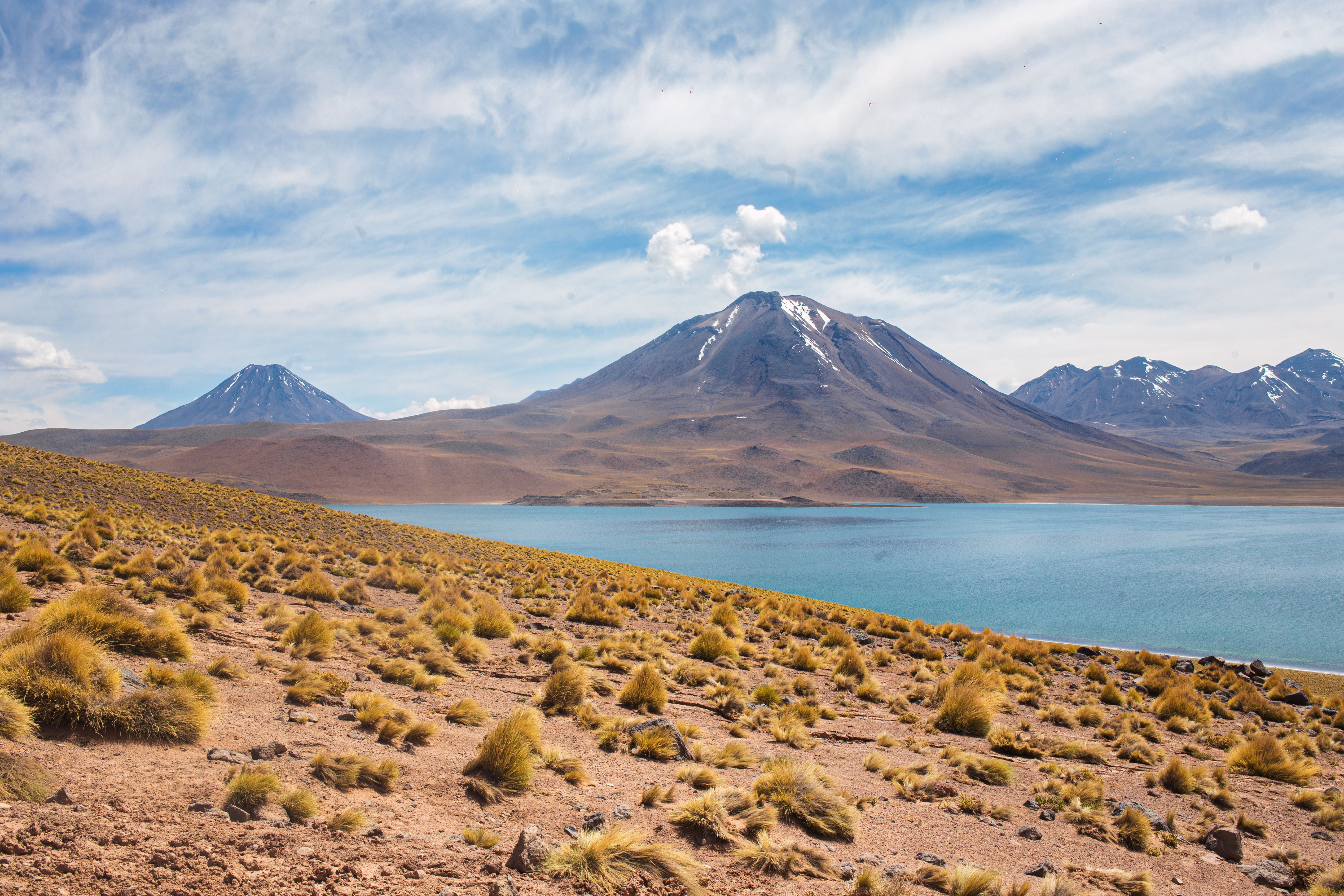
To the north, the El Tatio Geysers erupt at dawn in clouds of steam against a backdrop of snow-capped volcanoes, one of the most powerful natural spectacles in Chile. Nearby, the Puritama Hot Springs offer a hidden oasis: warm, mineral-rich pools carved into a desert canyon, perfect for soaking after a morning at altitude. Higher still, the Altiplanic Lagoons of Miscanti and Miñiques sit at over 4,000 meters, reflecting the deep blue Andean sky and framed by perfectly conical volcanoes.

The Atacama is also one of the finest places on Earth for stargazing. With minimal light pollution, low humidity and over 300 clear nights per year, the desert sky reveals the Milky Way, nebulae and galaxies in breathtaking clarity. Professional observatories and private stargazing experiences bring the cosmos to life in a way that transforms how you see the night.

Beyond the landscapes, the Atacama holds deep cultural roots. Pre-Inca archaeological sites, ancient petroglyphs and the living traditions of the Atacameño (Lickanantay) people add layers of meaning to the journey. This is not just a desert to cross, it is a place to slow down, to look up, and to feel the immensity of the Earth beneath a canopy of stars.

What You May Be Wondering

What kind of accommodation is available in the Atacama Desert?

keyboard_arrow_down

The Atacama offers everything from exclusive desert lodges and boutique hotels near San Pedro to private retreats with volcano views, many offering tailored excursions, spa experiences and private stargazing sessions.

Is the Atacama Desert suitable for families?

keyboard_arrow_down

Yes. Activities like exploring Valle de la Luna, soaking in the Puritama Hot Springs, and watching flamingos on the salt flat are enjoyable and accessible for travelers of most ages, making the Atacama a rewarding destination for families.

What wildlife can you see in the Atacama Desert?

keyboard_arrow_down

Despite its extreme dryness, the Atacama is home to Andean flamingos, vicuñas, foxes and viscachas, particularly around the Salar de Atacama and the high-altitude lagoons of the altiplano.

How do you get to San Pedro de Atacama?

keyboard_arrow_down

Most travelers fly into Calama Airport, roughly 1.5 hours by road from San Pedro de Atacama, the small adobe village that serves as the gateway to the desert's main attractions.

Is the Atacama Desert good for stargazing?

keyboard_arrow_down

Yes. With minimal light pollution, low humidity and over 300 clear nights per year, the Atacama Desert is regarded as one of the finest stargazing destinations in the world, home to some of the planet's most advanced astronomical observatories.

What are the must-see attractions in the Atacama Desert?

keyboard_arrow_down

Top highlights include the El Tatio Geysers, one of the highest geothermal fields on Earth; Valle de la Luna, with its surreal wind-sculpted terrain; the Salar de Atacama, home to Andean flamingos; and the Altiplanic Lagoons of Miscanti and Miñiques, framed by volcanoes above 4,000 meters.

How many days do you need in the Atacama Desert?

keyboard_arrow_down

Most travelers spend 3 to 5 days in the Atacama Desert to visit the main highlights—Valle de la Luna, the El Tatio Geysers, the Altiplanic Lagoons and Salar de Atacama—without rushing.

What is the best time to visit the Atacama Desert?

keyboard_arrow_down

The Atacama Desert can be visited year-round thanks to its dry, stable climate. Days are warm and nights are cold at any time of year, though September to November and March to May offer the most comfortable temperatures for exploring.

What is the Atacama Desert known for?

keyboard_arrow_down

The Atacama Desert is known for its otherworldly landscapes—salt flats, geysers, flamingo-filled lagoons—and some of the clearest night skies in the world, making it one of the best places on the planet for stargazing.

Where is the Atacama Desert located?

keyboard_arrow_down

The Atacama Desert is located in northern Chile, stretching between the Andes Mountains and the Pacific Ocean. It is considered the driest non-polar desert on Earth.

Still have questions? Email us at contact@chileundiscovered.com
WhatsApp