The short answer
Explora Patagonia National Park is the finest place to stay on Chile's Carretera Austral. It is the only luxury lodge inside Patagonia National Park, in the Chacabuco Valley near the town of Cochrane, and it gives guests something no other property on the route can: a national park with almost no one else in it. Plan five to six nights, fly into Balmaceda (BBA), and treat the drive south as part of the trip.
Three things set it apart:
- Location. It sits inside the park the Tompkins family created and donated to Chile, with no other hotels nearby. One American guest who hiked 18 hours over four nights met only three or four other hikers.
- Recognition. Explora lists it as World's Leading Lodge and South America's Leading Lodge 2025 (World Travel Awards), and it appears in Condé Nast Traveler's Readers' Choice Awards 2025.
- All-inclusive depth. More than 30 guided explorations, all meals and drinks, park fees, spa and airport transfers are included, with groups of eight people at most.
The Tompkins legacy: from sheep ranch to national park
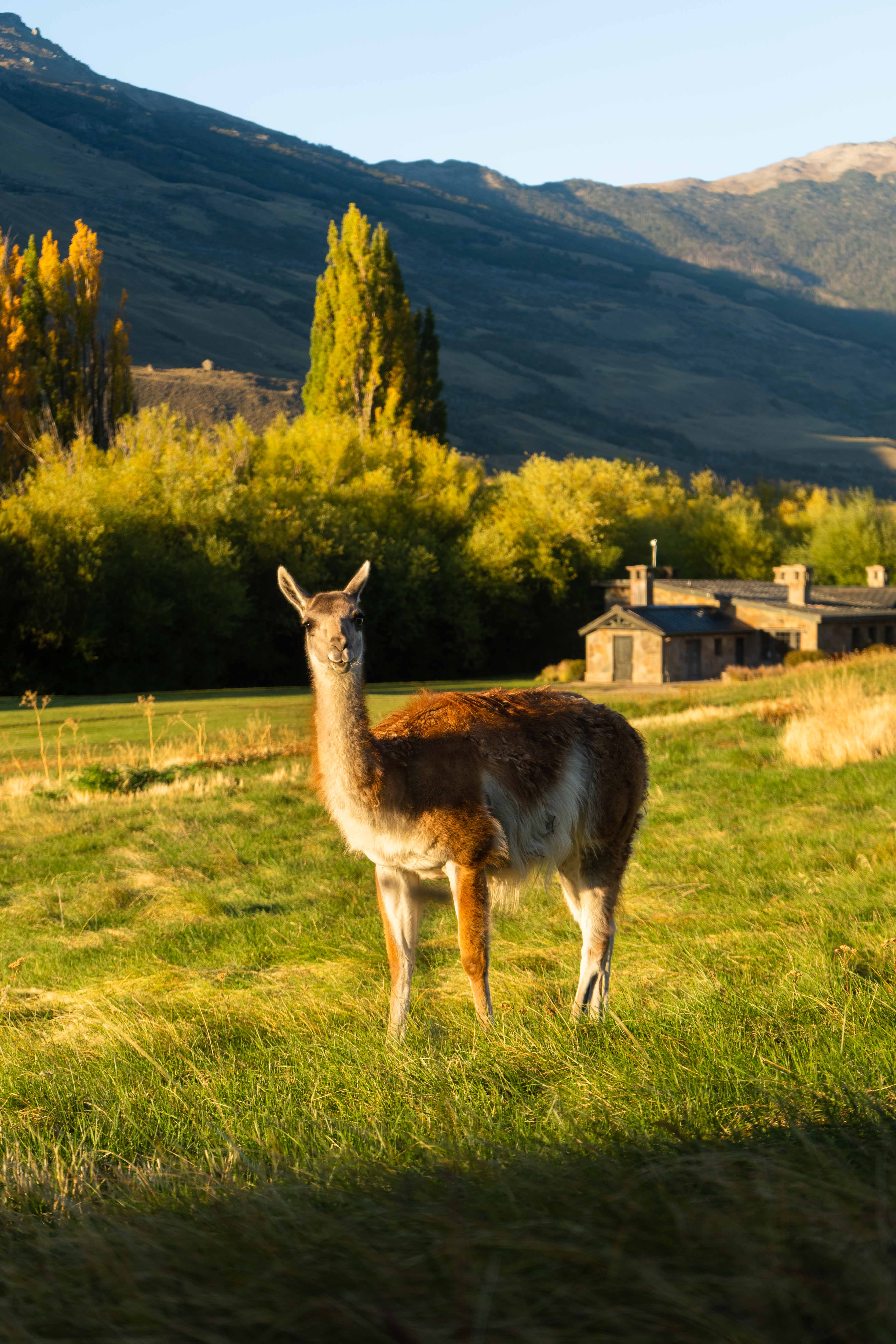
Patagonia National Park exists because of Doug and Kris Tompkins. Doug co-founded The North Face and Esprit; Kris was the longtime CEO of Patagonia, Inc. Together they turned an overgrazed ranch into one of the most ambitious rewilding projects in the world.
The Chacabuco Valley had been one of the largest livestock ranches in the region, founded in 1908 by the explorer Lucas Bridges. Chile's park service, CONAF, had flagged it as a conservation priority years before the Tompkins arrived.
| Year | What happened |
|---|---|
| 1995 | Doug and Kris Tompkins visit the Chacabuco Valley for the first time |
| 2004 | Their foundation, Conservación Patagónica, buys the 173,000-acre Estancia Valle Chacabuco |
| 2006 | Construction of the park's lodge, visitor centre and trails begins, using local stone and recycled wood |
| January 2018 | Kris Tompkins and President Michelle Bachelet sign the decrees creating five new national parks |
| 11 December 2018 | Patagonia National Park is officially founded |
Rewilding meant real work. The team removed more than 25,000 head of livestock and over 370 miles of fencing, pulled 12,000 invasive pines from huemul habitat, and reseeded the steppe with native grasses. Today the park covers about 752,500 acres, joining the Chacabuco Valley with the former Jeinimeni and Tamango reserves.
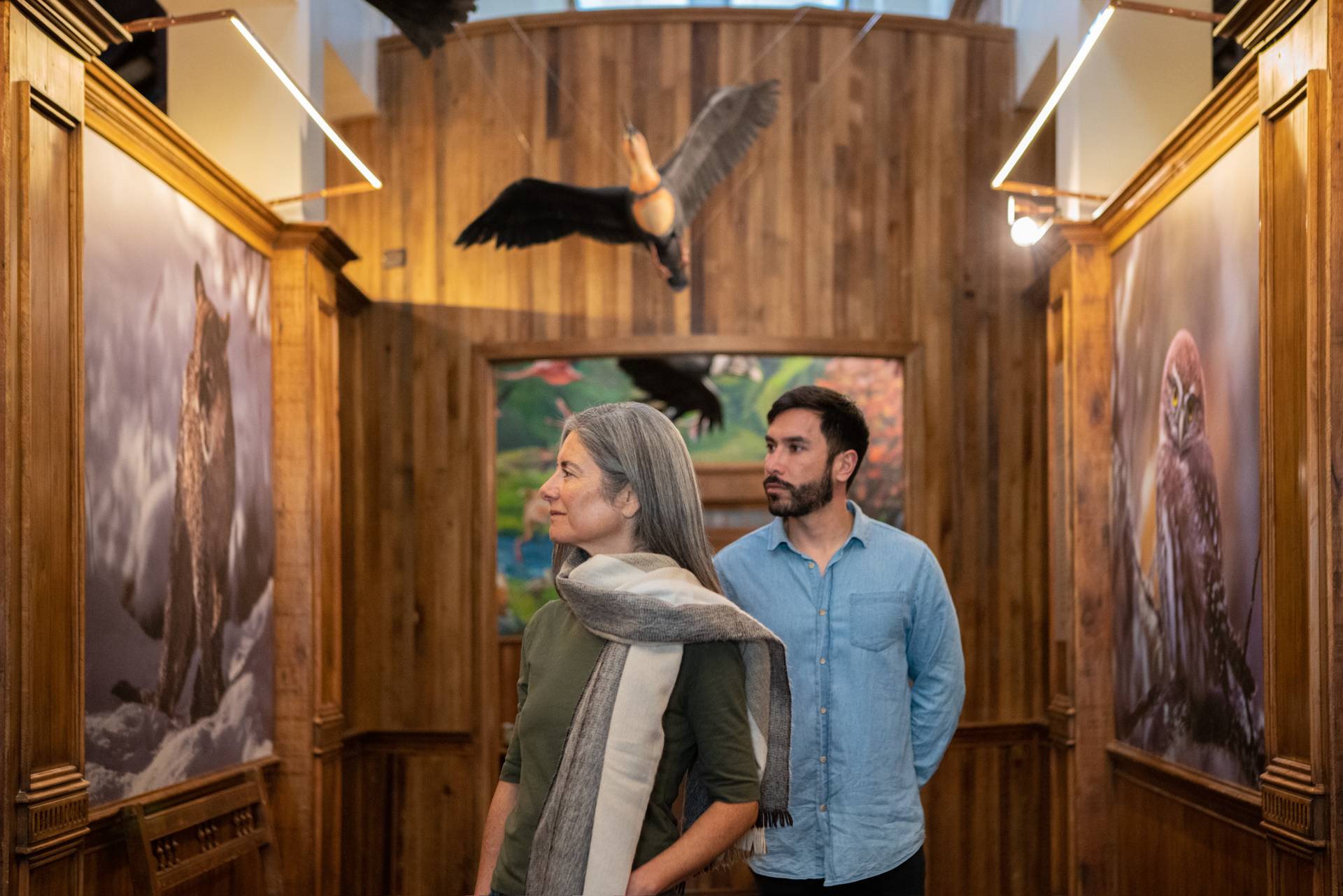
The result is wildlife you can actually see: guanacos graze near the lodge, pumas patrol the valley, and the endangered huemul deer and the ñandú have found refuge here. The park is also a centrepiece of the Route of Parks of Patagonia, a 2,800 km scenic route linking 17 national parks that grew out of the same Tompkins donation.
The lodge: what makes it different
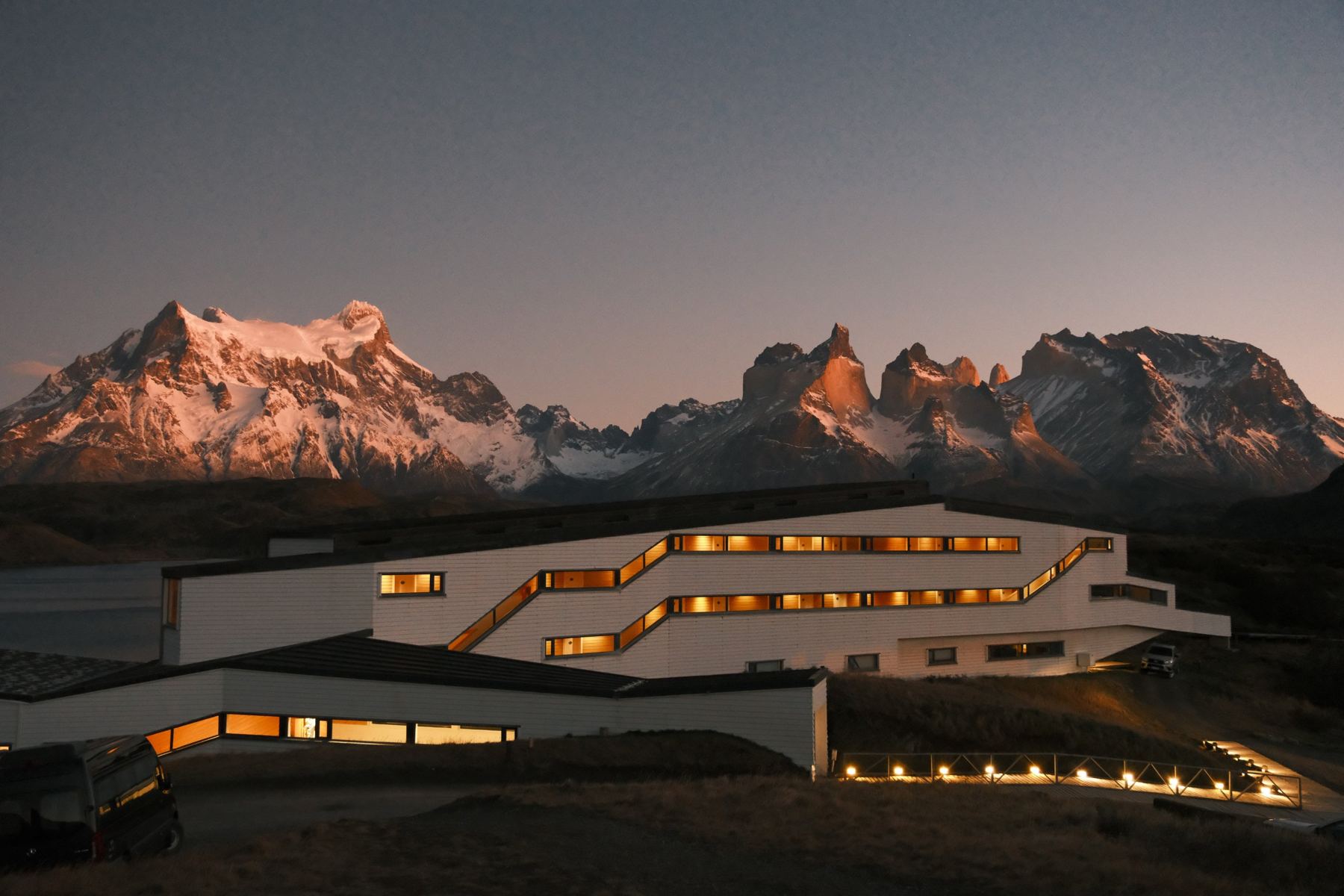
The lodge is small, remote and built on the original Tompkins infrastructure, which is exactly why it works. Explora took over the park's lodge and restaurant and expanded them with local stone, recycled wood and copper roofs, so the buildings blend into the steppe.
| Feature | What to expect |
|---|---|
| Size | 13 rooms: 5 suites and 8 standard rooms; Explora Torres del Paine has 50 |
| Rooms | Spacious and heated (no air conditioning); king or two doubles, chosen at booking |
| Explorations | 30+ guided outings across four zones in and around the park, groups of 8 at most |
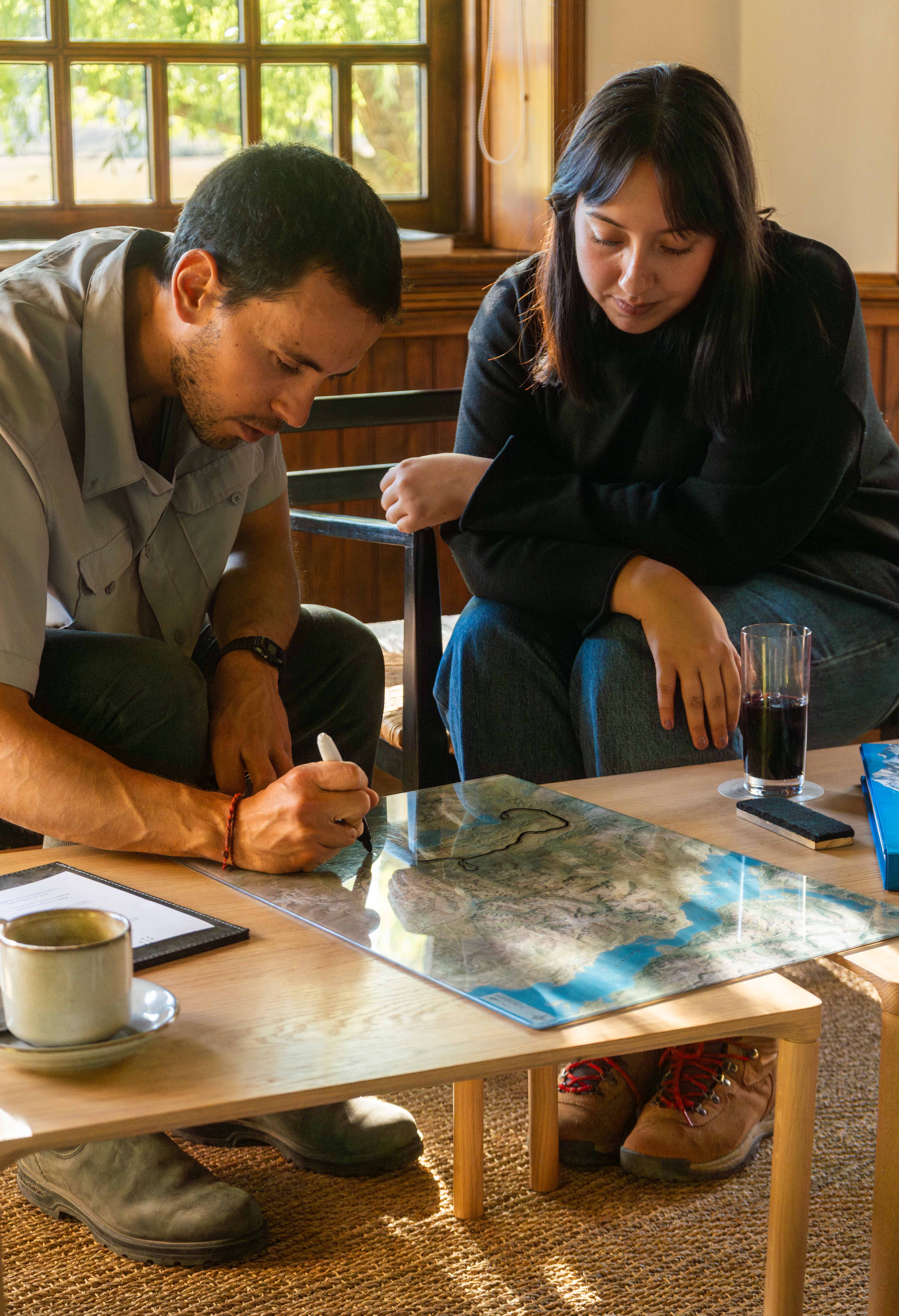
| Activities | Hikes to hidden lagoons, e-biking among guanacos, river kayaking, optional helicopter flight over an ice field |
| Food | Local produce and a gaucho-style grill at dinner; buffet lunch; children's menu |
| Included | Room, all explorations, all meals and drinks, park fees, spa, airport transfers |
| Not included | Tips (Explora suggests USD 100 per day, per room) |
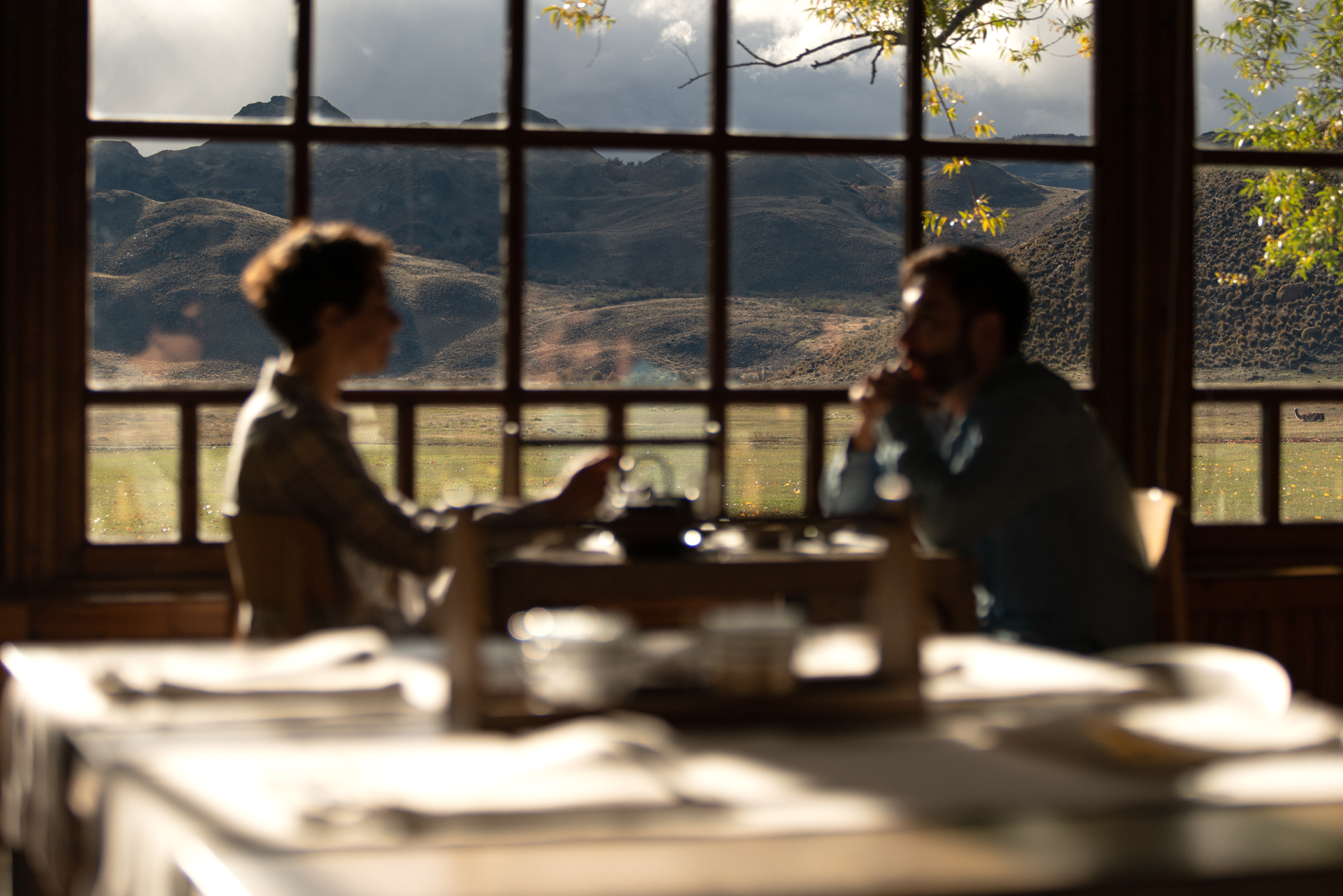
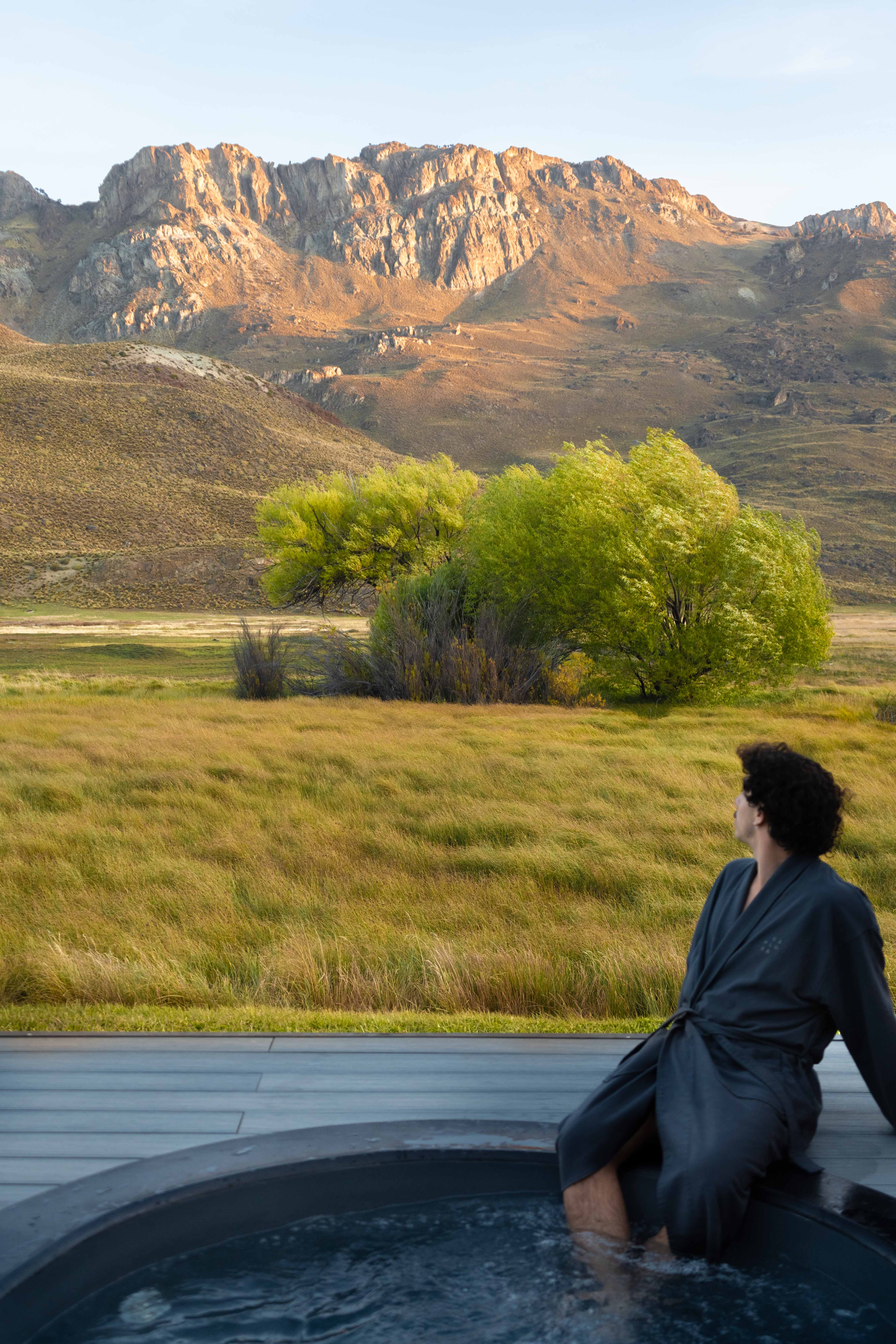
The real luxury is solitude. There are no other hotels in this part of the park, only a few dozen campsites. Guests regularly describe hiking full days without meeting anyone, sometimes with a private guide because no one else signed up for the same route.
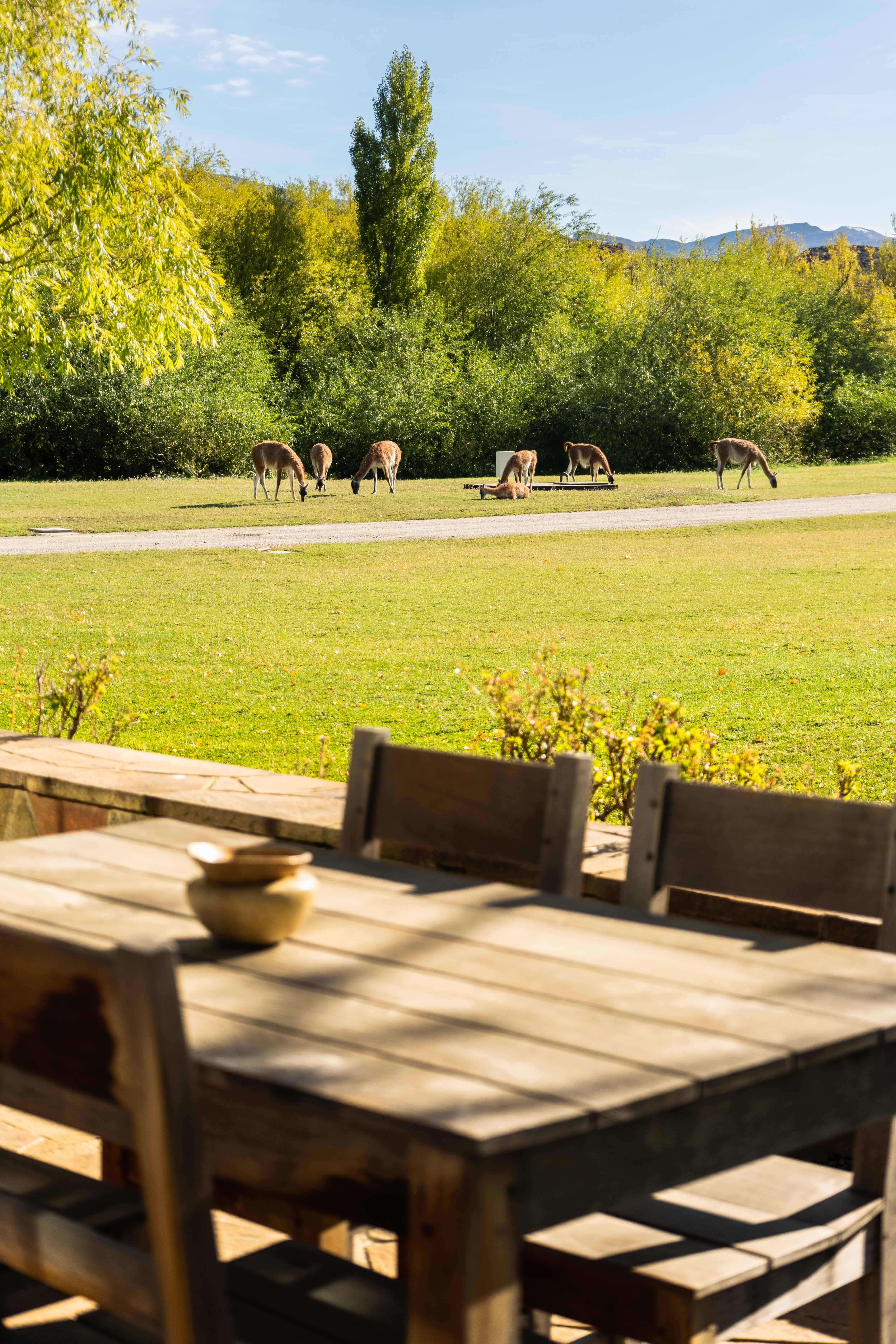
How it compares with Torres del Paine. Torres del Paine is more dramatic and far more visited. Patagonia National Park is wilder and quieter, with open steppe, turquoise lakes and more wildlife sightings per hour on the trail. Many of our travellers do both, starting here and finishing in Paine. Still deciding between the two regions? Read Carretera Austral vs Torres del Paine.
How to get there
Fly from Santiago to Balmaceda (BBA), then travel about five hours south on the Carretera Austral, mostly on gravel. The turn-off to the Chacabuco Valley comes shortly before the town of Cochrane.
Coming from overseas? Our guide to getting to Patagonia covers international flights by country, and if you are flying from Britain, see London to Patagonia: flights and routes from the UK.
| Option | Time | Good to know |
|---|---|---|
| Explora shared van from Balmaceda | About 5 hours | Included in all-inclusive programmes; leaves daily at 9:45 am, so land by 9:15 am |
| Night in Coyhaique, then van | About 5 hours the next day | Best if your flight lands too late; hotel pickup between 8:00 and 9:00 am |
| Private flight Balmaceda to Cochrane | About 45 min flight + 45 min van | Extra cost; Mondays and Thursdays |
| Lodge-to-lodge flight from Torres del Paine | About 1.5 hours | Over the Southern Ice Field; October to mid-April; from USD 3,384 per person, one way, with a four-night stay |
| Self-drive | 1 to 3 days | Stop at Cerro Castillo and the Marble Caves; you need to be a confident gravel driver |
Heads up for the 2026–27 season: Explora reports roadworks on the Carretera Austral that close the road for several hours each afternoon until further notice. That is why the van leaves early, and why the return transfer only works for flights after 3:00 pm.
Our recommendation: make the transfer part of the trip. The road passes Cerro Castillo, the turquoise shores of Lago General Carrera, the Marble Caves at Puerto Río Tranquilo and the confluence of the Baker and Chacabuco rivers. Rushing it in one day wastes some of the best scenery in Chile. We usually plan a night near the lake on the way in, for example at The Bertrand Stay, and a flight out on the way back. For more on the drive, read How Many Days Do You Need for the Carretera Austral?
Frequently asked questions
How many nights should I stay at Explora Patagonia National Park?
Five nights at least, six if you can. Explora itself recommends a minimum of five to explore the park properly. Add one or two nights on the Carretera Austral if you travel in by road.
When is the best time to go?
The main season runs roughly from October to April, which is when Explora operates its lodge-to-lodge flights. December to February brings the longest days; October–November and March–April are quieter, and April adds autumn colour. Confirm opening dates for your travel window before booking flights. See our month-by-month guide to Patagonia.
How much does it cost?
Explora publishes packages from USD 5,790 per person for 8 nights combining Atacama and Patagonia National Park, and from USD 7,000 per person for 8 nights combining Patagonia National Park and Torres del Paine. Flights to Balmaceda, tips and any Carretera Austral extension are extra.
Can I combine it with Torres del Paine?
Yes, and it is the classic pairing. Start in Patagonia National Park for solitude and wildlife, then fly 1.5 hours over the Southern Ice Field to Torres del Paine for the famous granite towers.
Can I see the Marble Caves on the way?
Yes. The Marble Caves at Puerto Río Tranquilo are on the route between Balmaceda and the park. A night nearby turns a long transfer into a highlight.
Should I self-drive the Carretera Austral?
Only if you are comfortable on long gravel stretches, with few fuel stations and limited mobile signal. Most of our travellers prefer a private driver-guide one way and a flight the other.
Will I see pumas?
Possibly. Pumas live in the park and sightings do happen, but they are never guaranteed. Guanacos, condors and foxes are near certain; the huemul and the ñandú take more luck.
Is it good for families?
Yes. Explorations are designed for all ages, there is a children's menu, and the small size makes the lodge feel like a private estate.
What is the Route of Parks of Patagonia?
A 2,800 km scenic route linking 17 national parks between Puerto Montt and Cape Horn, born from the Tompkins donations. Patagonia National Park is one of its highlights.
Plan your trip with us
We design the whole journey around the lodge, so you deal with one team from Santiago to your last night. A typical plan: fly to Balmaceda, drive south with a private driver-guide, spend a night by Lago General Carrera with a boat trip to the Marble Caves, then five nights at Explora Patagonia National Park, before flying on to Torres del Paine or home. We can also add Santiago, the wine valleys or Atacama before or after. Share your dates and we will design it for you.
Sources
- Explora — Patagonia National Park lodge (inclusions, awards, packages, FAQs)
- Explora — Patagonia National Park lodge and Torres del Paine lodge (room counts, checked 4 November 2026)
- Explora — How to get to Patagonia National Park (transfers, flights, roadworks notice)
- Rewilding Chile — Patagonia National Park (history, area, rewilding figures)
- Ruta de los Parques — Patagonia National Park (the Route of Parks)
- Chile Travel — Route of Parks of Patagonia (17 parks, 2,800 km)
- Photos: Explora